Jun 3, 2026 · 6 min read· Summarize in ChatGPT
| In This Article: Understand what your well pump pressure switch does, why summer conditions increase system stress, and when it’s time to call for professional service. |
Summer puts a private well system to work. Garden hoses stay running longer, guests take extra showers, and laundry loads pile up fast after weekends outdoors.
A worn well pump pressure switch may seem like a small issue at first, though many homeowners across Maryland, Virginia, and West Virginia learn quickly how much stress a struggling switch can place on the rest of the system.
Pressure problems rarely happen without warning. Clicking sounds near the tank, inconsistent water flow, or a pump that turns on too often can all point to trouble developing behind the scenes.
Spotting small performance changes before temperatures peak can help homeowners prevent breakdowns that become much more costly in midsummer.
The “Hidden Brain” of Your Well System
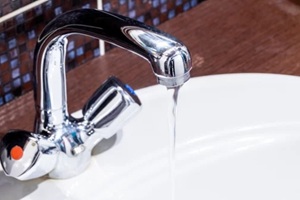
A well pump pressure switch acts like the command center for your well system. The switch monitors the tank pressure and controls the pump by signaling when to run and when to shut off.
Many homes operate on a 40/60 PSI setting. At 40 PSI, the system reaches its cut-in point, prompting the switch to start the pump and restore pressure in the tank. After pressure reaches 60 PSI, the switch shuts the pump off again, and that cycle repeats all day as water moves through the home.
Problems begin when the switch stops communicating properly with the pump. A dirty contact point, electrical wear, moisture, or heavy cycling can interrupt the process and create private well water pressure issues throughout the home.
Ignoring a bad switch may seem minor at first, but the added wear can shorten a pump’s life.
The Summer Squeeze: Why Demand Spikes the Risk
Summer places extra demand on residential well systems, as lawn irrigation, pool top-offs, car washing, and hosting overnight guests all increase water use. Outdoor watering alone can account for a large share of household water use during warmer months.
Frequent demand forces the pump to cycle on and off repeatedly. Each startup generates heat in the motor, and over time, excessive cycling can wear down the electrical contacts in the pressure switch, shortening the pump’s life.
For Maryland well owners, that seasonal demand lands on a system they are personally responsible for maintaining, since about 13% of Maryland residents use individual wells, and homeowners are responsible for their own well upkeep.
Dry weather can create another challenge for well owners in the Tri-State area. If the available water level drops, the pump may need to work harder to deliver the same pressure homeowners expect.
A faulty switch that fails to shut the pump off at the proper time may allow the system to continue running under damaging conditions.
5 Signs Your Pressure Switch Is Struggling

Most pressure switch problems start with small changes homeowners notice while going about their everyday routines.
1. Short Cycling
Well pump short cycling occurs when a well pump starts and stops repeatedly in rapid bursts instead of completing a normal operating cycle. Homeowners often hear rapid clicking near the pressure tank when this occurs. Repeated cycling places heavy stress on the motor and electrical components.
2. Sputtering Faucets
Air spurts from faucets or inconsistent water flow may indicate pressure tank trouble or declining well water levels. Kitchen sinks and showers usually reveal this symptom first.
3. The “Constant Click”
A pressure switch that clicks repeatedly without stabilizing often signals trouble with tank pressure or worn switch contacts. Many technicians hear this sound before spotting a larger system issue.
4. Fluctuating Pressure
Strong pressure that suddenly weakens during a shower is among the most common well water pressure fluctuations homeowners report during summer. Pressure swings can stem from switch issues, low water levels, or even a waterlogged pressure tank.
5. Pump Won’t Start
Low pressure paired with a silent pump may indicate burned or corroded contacts inside the switch housing. Electrical supply issues and tank pressure problems can produce similar symptoms, which is why professional testing matters.
Your Pre-Summer DIY Inspection Checklist
Safety should always come first around electrical well equipment. Turn off the power to the system before removing the switch cover or inspecting nearby components.
A quick visual inspection of your system can reveal some early warning signs. When inspecting, look for black char marks, corrosion, insect buildup, moisture, or damaged wiring inside the housing.
Ants and spiders commonly build nests inside pressure switch covers throughout Maryland and Virginia during the warmer months.
Pressure gauge behavior can also provide useful clues. Run water through a hose or faucet and monitor where the system turns on and shuts off. Most homes operate around 30/50 or 40/60 PSI settings.
Pressure tanks deserve attention, too, so test them by lightly tapping the upper portion. Healthy tanks usually sound hollow near the top, but a dull thud throughout the tank may indicate waterlogging that places extra strain on the pressure switch.
Why Professional Maintenance Beats a “Wait and See” Approach
A no-water emergency in July often starts with a small issue that went unnoticed weeks earlier. Once a failing pressure switch begins affecting the pump, repair costs can rise quickly.
At Tri-County Pumps, our well pump service technicians inspect the entire system during maintenance visits. Tank air charge, pump amperage, switch operation, pressure settings, and overall pump performance all play a role in reliable water delivery.
Tri-County Pumps has served homeowners across Maryland, Virginia, and West Virginia since 1991. Our family-owned team believes in educating customers and building long-term relationships through dependable service and honest communication.
We’re here when you need us, including 24-hour emergency support for low-pressure and no-water situations.
Secure Your Summer Water Supply Today
Summer activities place steady demand on your well system, and small pressure problems rarely improve on their own. Scheduling a seasonal inspection during late spring gives homeowners time to catch developing issues before heat and heavy water use place extra stress on the system.
Planning for a busy summer at home? Contact Tri-County Pumps today to schedule a full well system inspection from a local team that has proudly served Maryland, Virginia, and West Virginia since 1991.
Our technicians inspect your well pump pressure switch, pressure tank, pump performance, and system pressure settings so your home can Keep It Flowing® all summer long.