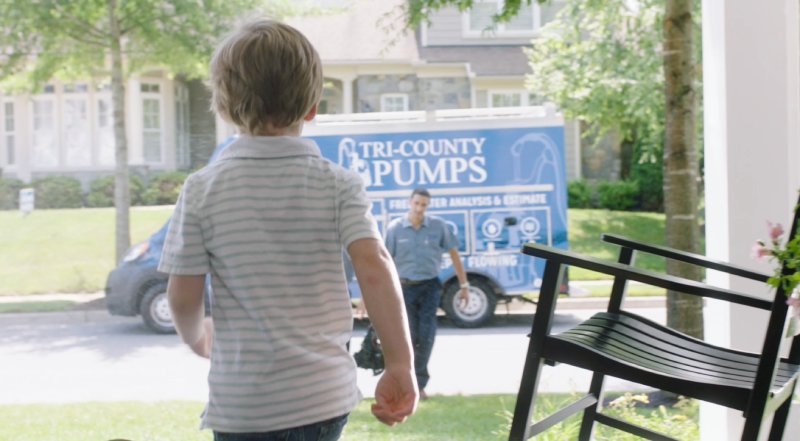
Septic System Inspections
Avoid Costly Surprises With A Septic Inspection
A home’s septic system carries hidden costs that can surface long after the sale closes.
Tri-County Pumps helps buyers and homeowners avoid expensive surprises with thorough septic inspections, evaluating one of the most costly systems on a property and one that standard home inspections often overlook.



Septic System Inspections
Our septic inspections are designed to provide a detailed evaluation of your system’s condition.
Comprehensive Assessment
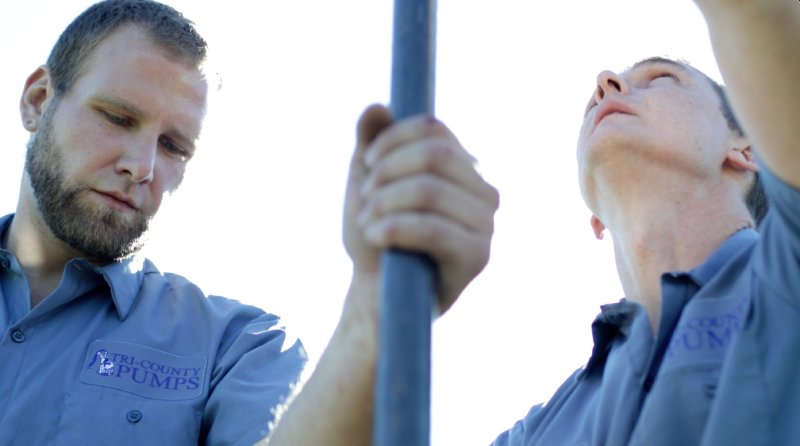
We inspect all accessible components of the septic system, confirming compliance with Maryland state standards.
Clear Reporting
You receive a detailed report outlining the system’s condition, potential risks, and maintenance recommendations.


Mechanical Components
For systems with Best Available Technology (BAT) or other nitrogen-reducing features, we examine all mechanical components, including pumps, alarms, and controls.

Septic Inspection FAQs
A few of the questions we hear most often from homeowners and buyers before scheduling a septic inspection:
How long does a septic inspection take?
Most residential septic inspections take one to two hours, depending on the system type, size, and how accessible the tank and drain field are.
Do I need an inspection to sell my home?
Many counties in MD, VA, and WV require a documented septic inspection before a property transfer, and we help you meet those local requirements.
What happens if you find a problem?
You receive a written report with our findings and recommendations, so you can plan repairs, support a sale, or fix small issues before they grow.
Top Benefits Of A Professional Septic Inspection
Septic inspections are essential for buyers and homeowners in rural areas or homes not connected to public sewer.

Prevent Expensive Repairs
Leaking tanks, failing drain fields, and clogged lines can cost thousands. An inspection catches these issues before they become disasters, so you can request repairs, negotiate the price, or walk away from a property that carries long-term risk. A small cost for major protection.

Protect Future Resale Value
A properly inspected and documented septic system adds credibility and value at resale. A clear record that the system was evaluated and maintained reduces buyer hesitation and supports a smoother sale.

Compliance With Local Regulations & Codes
In many counties, a septic inspection is mandatory before a property transfer. Our reports document the system’s condition and meet the standards set by local health departments and permitting offices, helping prevent delayed closings and keeping your transaction on track.

Verify System Capacity
A septic system must be sized for the home it serves. We help confirm the tank and drain field can handle the household’s daily flow, so a growing family or added bathrooms will not overwhelm a system that was built for a smaller load.

Protect Health & Environment
A failing septic system can release untreated waste into your yard and groundwater, creating health hazards and environmental damage. An inspection identifies early warning signs so problems can be corrected before they put your family or property at risk.

Gain Peace Of Mind Before Closing
A home is a major investment, and the septic system is one of its most important hidden components. Knowing its true condition lets you move forward with confidence, without the fear of surprise repairs after closing.
Common Questions Asked About Septic & Well Inspections for Home Sale
Your lender or loan underwriter is the best source for this information, since each loan type has different testing requirements. Below are the standard requirements by loan type, but always verify with your lender to avoid additional requests or delays to settlement.
– Conventional loan: Bacteria, Nitrates/Nitrites, pH, and Chlorine Residual
– VA, FHA, or USDA loan: Lead, Bacteria, Nitrates/Nitrites, Turbidity, pH, and Chlorine Residual
Your realtor should advise you on proper timing for testing so you’re prepared for settlement. You should have your testing done at least a couple of weeks before settlement. In most cases, this allows enough time to receive results and remediate any concerns.
This varies from well to well. We can research and pull county records, or come out and drop test the well to provide its depth.
If you are unable to see the well casing and cap, it’s best to start with the plat on record with your local health department. Once we obtain it, we can do a site evaluation and use one of our methods to locate the well.
Your septic system is buried beneath the ground, and we have multiple methods of locating it. Our team starts by pulling the plat from your local health department, then performs a site evaluation. We may use probing rods, flushable transmitters, snaking cameras with locators, or the plat itself to determine the location based on geographical indicators.
For a standard size system with standard water usage, pumping is typically recommended every 3 to 5 years.