
Mar 30, 2026 · 6 min read· Summarize in ChatGPT
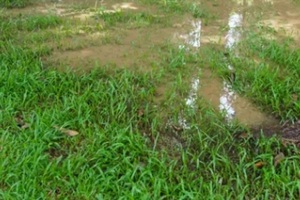
If your yard feels soft and soggy days after the last rainfall, it may be trying to tell you something. Persistent wet ground can signal anything from seasonal groundwater shifts to leaking well lines or a septic system repair issue developing underground.
Understanding the cause can help you address it efficiently and maintain the quality of your yard and home systems.
| In This Article: Learn how to recognize patterns in your yard, connect them to your home’s water systems, and determine when it makes sense to bring in a professional. |
When Wet, Soggy Ground Is a Seasonal Soil Issue and When It Is Something Deeper Underground
A yard that stays wet long after a storm can be due to natural conditions. Maryland properties often sit on soils that drain slowly, and groundwater levels shift throughout the year.
The water table rises during rainy seasons or after snowmelt, leaving less room in the soil for additional rainfall. When that happens, soggy ground can appear even if no pipe is leaking.
Soil type plays a major role, especially in Maryland, where clay-heavy soils allow water to move through them at a slow rate. The USDA Natural Resources Conservation Service groups these poorly drained soils into categories based on the frequency of saturation.
If your yard has a naturally high seasonal water table, the soil may stay damp within 24 inches of the surface for extended periods. That can make an otherwise healthy property look like it has a plumbing failure.
Compaction adds another layer to the problem; construction equipment, repeated mowing on wet turf, and heavy foot traffic compress soil particles. Heavily compacted earth prevents proper drainage, so instead of soaking in, water accumulates across the surface and stays longer than it should.
Aeration and adding organic matter can improve structure, but they will not change a low-lying landscape position or a high-saturation zone.
A simple percolation-style drainage test can offer clarity. If water drains slowly across the entire yard, you’re likely dealing with soil and grading issues, but if one isolated area stays wet during dry weather, that pattern warrants closer attention.
How to Recognize When Wet Ground Signals a Septic System Problem
A septic drainfield is designed to disperse and treat wastewater underground. When the soil treatment area becomes overloaded, clogged, or saturated by groundwater, wastewater can rise toward the surface. The result is wet, soggy ground near the septic tank or across the drainfield footprint.
Common Signs That Point Toward Septic System Repair
University of Maryland Extension guidance highlights several warning signals homeowners should take seriously:
- Spongy or wet areas near the tank or drainfield
- Sewage odors outdoors
- Slow drains inside the home
- Gurgling pipes or backups
- Lush, out-of-season green patches over the drainfield
A drainfield that is surfacing effluent is not just a lawn issue. Wastewater reaching the surface may carry bacteria and nutrients that can affect nearby drainage paths and waterways. That is why septic system repair should be evaluated promptly rather than postponed.
Groundwater can complicate septic performance because if the seasonal water table rises into the drainfield zone, the soil cannot treat wastewater properly. It can give the impression of a breakdown, despite the hardware itself remaining fully operational.
A site-specific evaluation is the only way to determine whether the issue is hydraulic overload, soil saturation, or a damaged component.
When Persistent Wetness Follows the Path of Well Lines and Underground Water Pipes

Pressurized supply leaks behave differently from drainage issues, as a leaking well line continues to feed the same section of the yard regardless of rainfall. The soil remains saturated during dry stretches because water is actively being supplied underground.
Homeowners often notice subtle changes inside the house when well lines are involved, such as pressure fluctuations or more frequent cycles of the well pump. On metered systems, unexplained water usage can appear. Outside, the wet patch may trace the buried route between the well and the home.
Freeze-thaw cycles increase the risk of underground pipe trouble. Maryland water main guidelines require burial depths of at least 30 inches in many cases to protect against frost.
A shallow or aging line can shift during winter and develop a leak that becomes obvious once temperatures rise. The yard may appear soggy in early spring even when rainfall has been light.
Leak detection for buried lines requires experience and specialized equipment, as random digging often leads to increased damage and cost. When persistent wet ground aligns with well lines or the service entry point, targeted professional evaluation is a smarter first step.
Reading the Pattern in Your Yard to Separate Natural Moisture From Plumbing Trouble
The combination of setting, timing, and interior warning signs provides the clues needed to understand the underlying issue. Looking at one factor alone can lead to incorrect assumptions.
Location Patterns
- Low spots, swales, or downslope corners often indicate grading or water table effects.
- Areas directly above the septic tank or drainfield raise suspicion of septic system repair needs.
- A linear wet zone between the well and the house may indicate leaking well lines.
Timing Patterns
- Wet only after storms, then gradually drying out, supports slow soil infiltration.
- Wet during extended dry weather suggests a continuous underground source.
Indoor Clues
- Slow drains, odors, or backups paired with soggy ground point toward septic malfunction.
- Pump cycling changes or pressure inconsistencies paired with yard saturation suggest supply line issues.
Two neighboring properties can respond very differently to the same rainfall. Variations in grade, small shifts in terrain shape, and soil absorption rates often occur from lot to lot, even inside a single subdivision.
The water table often mirrors surface contours in a subdued way, so low areas collect saturation much sooner.
Understanding these patterns protects homeowners from unnecessary excavation while helping them act quickly when plumbing is involved. Wet or soggy ground is often a warning sign; reading it correctly can prevent larger repairs and protect your home’s water system.
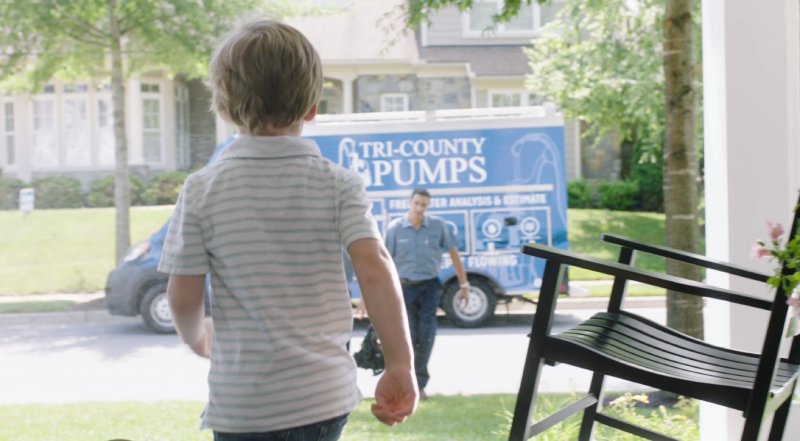
Tri-County Pump Service Provides Clear Answers for Persistent Wet Ground

Wet, soggy ground rarely fixes itself. Patterns in your yard can reveal whether you are dealing with soil conditions, failing well lines, or a septic system repair issue developing underground. The difference matters, and guessing can lead to unnecessary expense.
For over 30 years, our family at Tri-County Pump Service, Inc. has helped homeowners across Maryland, Virginia, and West Virginia diagnose and correct problems throughout the entire home water cycle. Request an appointment through our website, call (301) 882-2698, or reach us using our online contact form to put an experienced local team on your side.