Apr 27, 2026 · 7 min read· Summarize in ChatGPT
| In This Article: See how small daily habits contribute to clogged drain calls and plumbing backup repairs, and get practical guidance for keeping your home’s water system running smoothly. |

If it swirls away, it must be gone, right? Many plumbing backups and clogged-drain problems begin with everyday items people assume are safe to send down the pipes.
What catches many people off guard is how often those seemingly minor habits end up creating major problems hidden behind walls and below ground.
Why “Flushable” and “Common” Items Often Lead to Clogged Drains and Plumbing Backup Problems
If an item disappears down the toilet or sink, then it’s pretty easy to assume it breaks down safely.
However, a typical plumbing or septic system is intended for just three things: water, human waste, and toilet paper. Everything else behaves differently once it enters the pipes.
The Environmental Protection Agency advises homeowners to flush only toilet paper; wipes, sanitary products, and similar materials can damage plumbing, sewer systems, and septic systems.
Products labeled “flushable” may leave the bowl, yet they often remain intact long enough to snag inside pipes or combine with other debris. Utility providers have documented how wipes can bond with fats and grease, forming dense clogs that block wastewater flow and strain pumps.
For homes on septic, the stakes are even higher. University extension guidance explains that adult and baby wipes don’t decompose in septic tanks and can clog filters, pumps, and drainfields.
What starts as a sluggish drain can develop into a full backup, causing problems throughout the house.
Grease, Oils, and Food Waste That Quietly Build Up Inside Your Pipes
Kitchen habits are a leading cause of clogged drain calls. Fats, oils, and grease (FOG) are common in everyday cooking. Examples include bacon grease, butter, cooking oil, gravy, salad dressing, mayonnaise, peanut butter, and dairy products.
Hot water may seem like a quick remedy, yet extensive research shows that grease can reform and solidify later inside pipes, narrowing the pipe diameter over time. Food particles then stick to the sticky surface, increasing the risk of blockage.
Garbage disposals add another layer of strain, especially for homes on septic systems. Grinding food into smaller pieces doesn’t make it disappear; it simply sends more solids into the tank.
Undigested food increases sludge volume, while fats and oils add to the scum layer. As storage capacity drops, wastewater has less time to separate properly, raising the risk of backups and drainfield problems.
Among the issues we see most often are slow drains caused by grease buildup and flushable wipes. At Tri-County Pump Service, Inc., we’ve been helping homeowners across Maryland, Virginia, and West Virginia since 1991 with plumbing, septic systems, well pump repair, and water treatment solutions.
When buildup turns into a plumbing backup, our experienced team can identify the source and recommend the right fix for your system.
Quick Reference Table for Kitchen Habits
| Item | What Happens in Pipes or Septic Systems | Better Option |
| Grease and Cooking Oil | Cools, solidifies, sticks to pipe walls | Let cool, collect in a container, throw away |
| Food Scraps | Adds solids and sludge to the septic tank | Trash or compost |
| Coffee Grounds | Clumps and settles in pipes | Trash or compost |
| Large Disposal Use | Increases pumping frequency | Limit use and scrape plates into the trash |
Small habit shifts in the kitchen can reduce the likelihood of a plumbing backup and extend the life of your septic system.
Bathroom Waste That Doesn’t Break Down the Way You Think
Bathroom trash is another common cause of clogged drains. Only toilet paper is designed to break apart quickly in water and low-flow plumbing systems; paper towels, facial tissues, cotton balls, cotton swabs, dental floss, and bandages stay intact much longer.
Feminine hygiene products are frequently cited in reports of sewer blockages because they absorb moisture and expand, making them far more likely to lodge in pipes. Once stuck, they can catch additional debris, turning a partial restriction into a full-blown blockage.
Dental floss and hair may look harmless, yet they act like netting inside pipes. As wastewater flows past, these materials can wrap around small obstructions, creating a larger clog over time.
Many homeowners don’t connect these small items to a future plumbing backup because the problem develops gradually.
Homes served by septic systems need to be especially careful. Extension guidance warns that products labeled biodegradable or flushable may not be septic-safe.
Septic tanks rely on natural bacterial processes; materials that don’t break down add solids, increasing maintenance needs.
Chemicals, Medications, and Additives That Disrupt Treatment and Damage Systems
Drain misuse isn’t limited to physical clogs, as chemical disposal can disrupt how plumbing and septic systems function. Environmental agencies caution against pouring household hazardous waste down drains.
Materials such as paint, solvents, car fluids, pesticides, and harsh cleaning products can damage and contaminate septic or wastewater systems. Many treatment facilities are not equipped to remove all compounds, which means pollutants may pass through into waterways.
Conventional household chemicals can also interfere with beneficial bacteria in septic systems. Those bacteria are responsible for breaking down waste; when their balance is disrupted, solids accumulate faster.
Medication disposal is another area of concern. State and federal agencies recommend take-back programs as the preferred method. Most unused medicines should only be flushed if they appear on the FDA flush list. Many communities, Maryland included, urge residents to bring these materials to approved drop-off sites.
Septic additives and tank boosters also warrant caution, as professionals report that routine use of these additives is unnecessary for normal system operation. Some products may even break up sludge and scum layers, allowing solids to move into the drainfield and thereby increasing the risk of failure.
A professional evaluation can help determine proper discharge options that support both water treatment goals and septic health.
How Small Drain Habits Turn Into Bigger Plumbing and Water Treatment Problems
One wipe or a little grease may seem harmless, yet problems can develop over time. Non-dispersing materials stay intact, grease sticks to pipe walls, solids accumulate in septic tanks, and pumps and filters work harder.
As restrictions grow, warning signs often appear. Slow drains, gurgling sounds, or odors near fixtures may indicate a developing buildup, and ignoring these signals can lead to a full plumbing backup affecting multiple fixtures at once.
Homeowners and renters benefit from understanding how everyday actions connect to the entire home water cycle. The interconnection between plumbing, septic systems, and water treatment equipment is important since protecting one part supports the others.
Maintaining consistent, informed habits helps reduce the likelihood of clogged drains and extends system performance. When concerns arise, professional plumbing, septic, and water treatment services can identify the source and recommend practical solutions that fit your home’s setup.
Smart Drain Habits Today Help Protect Your Plumbing and Septic System Tomorrow
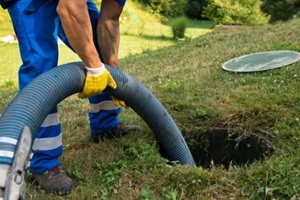
What goes down your drains doesn’t disappear; it travels through pipes, pumps, and, in many homes, a septic system that depends on balance and proper flow. Making small changes in your daily habits can reduce the risk of clogged drains or plumbing backups and help your entire water system perform as it should.
Drain problems rarely stay isolated. When plumbing, septic systems, and water treatment equipment work together properly, your home runs smoothly. The Tri-County Pumps team brings more than thirty years of experience supporting every stage of the home water system.
If you’re dealing with a clogged drain or plumbing backup, schedule service online, call (301) 882-2698, or use our contact form. We’re here to help Keep It Flowing®.