
Nov 4, 2026 · 6 min read· Summarize in ChatGPT
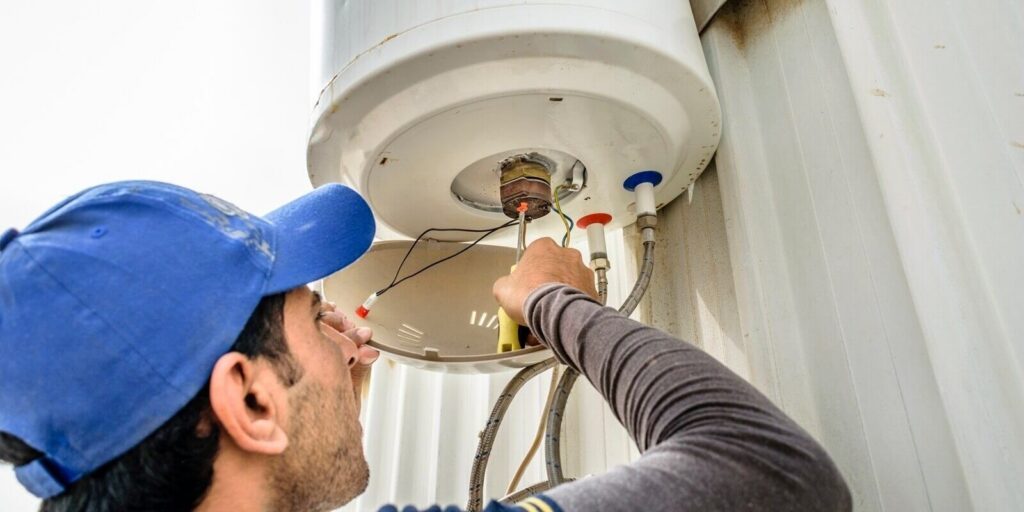
Your water heater is rumbling, the hot water runs out faster than it used to, or the hot water coming out of the tap smells like rotten eggs. On a private well, each of those symptoms ties back to something specific in the water itself. Sediment, hardness, and sulfur are common in well water across Maryland, Virginia, and West Virginia, and each one affects the water heater differently. That’s what shapes what a technician checks first when they arrive.
If your water heater has stopped producing hot water entirely or is tripping the breaker, those issues have their own diagnostic paths. This post covers the repair visit itself: what the technician does, what they’re looking for, and how well water factors into every step.
Confirming the Problem Starts at the Heater and Not the Well
On a well system, having no hot water doesn’t always mean the water heater failed. Low water pressure or a supply interruption from the well can produce some of the same symptoms. If there is not enough water is reaching the heater, the heater can’t heat what it doesn’t have.
The technician checks flow and pressure first to confirm the well and plumbing are delivering water to the unit at the volume and pressure it needs. When a well and pump service provider works on both well systems and plumbing, one visit can diagnose the full path from the well to the tap. If the supply side checks out, the focus shifts to the heater itself.
Flushing Out the Sediment Well Water Leaves Behind
Particulate matter is common in groundwater drawn from wells, particularly in areas without sedimentary bedrock. Sand, silt, and dissolved minerals in well water settle at the bottom of a storage tank over time. That sediment layer sits between the lower heating element and the water it’s supposed to heat. The element works harder, runs longer, and the tank may start producing a low rumbling or popping noise during heating cycles.
During a repair visit, the technician drains the tank and flushes the accumulated sediment. The flush also gives the technician a look at how much material has built up and whether the buildup has started to damage the tank lining or the lower element. A tank that has gone years without flushing in a high-sediment well may have enough accumulation to reduce capacity by several gallons.
Testing Elements, Thermostats, and the Relief Valve
Electric water heaters use two heating elements, upper and lower, each paired with its own thermostat. Hard water accelerates scale buildup on these elements. The Water Quality Research Foundation found that scale accumulation on heating surfaces acts as insulation, forcing the element to run hotter and longer to reach the same temperature. In hard water areas across the Frederick and Hagerstown Valleys, element failure from scale is a frequent repair finding.
The technician tests each element with a multimeter to check for shorts or open circuits, and tests each thermostat for continuity to confirm it opens and closes at the correct temperature. A thermostat that sticks in the open position keeps the element running past the setpoint, which can trip the breaker or produce dangerously hot water at the tap.
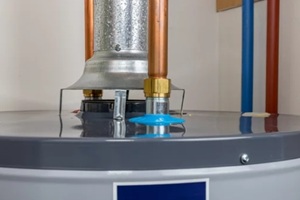
The temperature and pressure (T&P) relief valve is part of the same evaluation. This valve is a safety device that releases water if temperature or pressure inside the tank exceeds safe limits. A valve that drips or weeps during normal operation needs professional replacement.
The International Association of Certified Home Inspectors notes that T&P valve testing and replacement should be handled by a qualified technician, not attempted as a homeowner repair, because improper installation creates a pressure hazard.
Replacing the Anode Rod When Hot Water Smells Like Rotten Eggs
If the hot water smells like rotten eggs but the cold water doesn’t, the source is usually inside the water heater itself. Most tanks ship with a magnesium anode rod, a sacrificial metal rod that corrodes in place of the tank lining to extend the tank’s life. In well water that contains sulfur-reducing bacteria, those bacteria react with the magnesium and produce hydrogen sulfide gas. That’s the rotten egg smell.
The technician pulls the existing anode rod and evaluates its condition. If the rod is heavily corroded or the smell confirms a sulfur-bacteria reaction, the replacement may be an aluminum-zinc anode or a powered anode rod that disrupts the reaction without producing the odor. If the smell persists after the rod swap, the technician may recommend lab-based water testing to identify the specific bacterial or chemical source.
Treating the Water So the Repair Lasts
Repairing or replacing a component solves the immediate failure. But if the water feeding the heater is the reason the component failed, the same conditions will shorten the life of the replacement. The table below connects each well water condition to the heater problem it creates and the water treatment approach that addresses the root cause.
| Well Water Condition | Effect on the Water Heater | Long-Term Fix |
| Sediment (sand, silt, particulate) | Rumbling noise, reduced hot water capacity | Routine flushing and sediment filtration |
| Hardness (calcium, magnesium) | Scale on elements, early element failure | Water softener |
| Iron | Staining and buildup inside the tank | Iron filtration system |
| Low pH (acidic water) | Corrosion of fittings and tank connections | Acid neutralizer |
Deciding Between Repair and Replacement
A leak from the tank body itself usually means the tank lining has failed, and replacement is the appropriate path. Elements, thermostats, T&P valves, and anode rods are all standard repair items that restore the unit to working condition without replacing the entire system.
Some statistics show an average savings of more than $300 when repair, rather than full replacement, is the right call for the home. The technician’s job is to determine which one applies based on what the diagnosis reveals, then walk you through the findings and the options before any work begins. That’s the educational approach Tri-County has built the business on since 1991.
Tri-County Pump Service, Inc. offers a complimentary in-home water analysis that tests for hardness, iron, and pH. For sulfur, bacteria, or other concerns beyond those three parameters, lab-based testing is available at additional cost. Call Tri-County Pumps at (301) 882-2698 or schedule service online to have a technician diagnose both your water heater and the water feeding it. We’re here when you need us. Together, Let’s Keep It Flowing®.