Jun 30, 2026 · 7 min read· Summarize in ChatGPT
| In This Article: Get a clear look at the water testing process for VA, FHA, and USDA closings, including when to test, what lenders may ask for, and how professional sampling helps protect the timeline. A little planning now can make settlement day much smoother. |
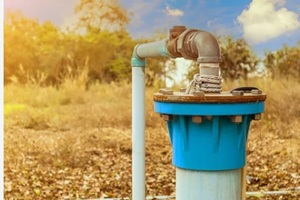
A private well can make a real estate closing feel a little less straightforward, especially when VA, FHA, or USDA financing is involved. A lender may require a compliant well water test before the loan can move forward, and a single missing report can slow down the entire process.
Buyers, sellers, and agents across Maryland, Virginia, and West Virginia can avoid stress by knowing what to test, who should collect the sample, and when to schedule it.
The High Stakes of the Government-Backed Well Water Test
Government-backed loans usually place more attention on private wells than many conventional loans do. VA, FHA, and USDA programs require documentation demonstrating that the home’s water supply meets potable water standards before closing.
For buyers, that requirement protects the home they’re purchasing. For sellers, it helps catch problems early, keeping settlement timing on track. For agents, it creates one more timeline item that needs to be handled early and correctly.
The result is important, but getting it at the right time also matters. Ordering a potability test for a home closing in the final week may leave little time for lab processing, lender review, treatment, or retesting.
According to the EPA, about 43 million people in the United States rely on private wells for drinking water, which makes testing a common part of rural and suburban home sales.
Requirements by Loan Type: What Must Be Tested?
Lenders, states, and local health departments may all influence the exact testing panel. Still, most VA, FHA, and USDA transactions focus on bacteria and other contaminants commonly associated with drinking water concerns.
FHA and USDA Standards
FHA well water requirements in 2026 will likely continue focusing on bacteria and contaminants linked to human health concerns. Many lenders request a water panel that includes total coliform bacteria, E. coli, nitrates, nitrites, and lead.
USDA loans follow a similar path. A USDA mortgage well inspection often relies on local or state water quality standards, with lab documentation required before closing. Counties may also request additional testing based on local conditions.
In Maryland and Virginia, some local health departments or lenders may ask for secondary parameters such as iron, manganese, pH, or total dissolved solids. Those items may affect taste, staining, corrosion, or treatment needs, even when they aren’t always part of the same minimum panel.
VA Loan Specifics
VA loan water testing standards often defer to the local or state health authority, but VA transactions usually have a very clear sampling rule. The buyer, seller, and real estate agent generally should not collect the sample themselves.
A disinterested third party must collect and transport the sample so the lender can trust the report. Older Mid-Atlantic homes may also bring extra attention to lead and copper because aging plumbing materials can affect water quality at the tap.
The Ideal 2026 Closing Timeline
Private well testing works best when it’s handled as part of the closing plan, not as a final checklist item.
45 to 60 Days Before Closing
Schedule an initial look at the well system, pressure tank, pump performance, visible well components, and existing treatment equipment. A cracked well cap, a weak pressure tank, or an equipment issue can cause delays later.
Early review gives homeowners time to address concerns before the official lender water sample is collected.
30 Days Before Closing
Schedule the official lender-required well water test about 30 days before closing whenever possible. Many labs need several business days to process results, and spring or summer real estate volume can slow turnaround times.
A 30-day window gives the transaction enough breathing room for sample collection, lab processing, lender review, treatment if needed, and retesting.
Watch the Expiration Window
Testing too early can create its own problem. Many VA lenders consider water test results valid for about 90 days. USDA and FHA timelines may vary by program, lender, and documentation requirements. Ask the lender what expiration window applies before scheduling.
Who Is Qualified to Pull the Sample?
Government-backed loans often require a qualified third-party sampler. That means the person collecting the sample must be independent and able to document how the sample was handled.
A proper chain-of-custody record that documents where the sample came from, who collected it, when it was collected, how it was transported, and which certified lab processed it. If a sample is collected from the wrong location or handled incorrectly, the lender may reject the report.
Professional Maryland well water sampling services can help buyers and sellers avoid paperwork problems by matching the sample, lab, and test panel to the lender’s request.
Common Causes of Closing Delays
Several issues with well water testing may delay closing, especially when buyers, lenders, or local requirements require clear results before moving forward.
Failed Bacteria Tests
Total coliform bacteria is one of the most common failed results. A treatment step, such as professional disinfection, may be needed before retesting. In many cases, retesting adds another 5 to 7 days.
Lab Backlogs
Spring and summer are busy real estate seasons across the Mid-Atlantic. Lab turnaround times may run longer during high-volume periods, especially when weekend or holiday schedules get involved.
Incorrect Test Panels
A basic water test may not satisfy a VA, FHA, or USDA lender. Missing results for lead, nitrate, nitrite, or bacteria can trigger another round of sampling.
Poor Well Cap Sealing
A cracked or loose well cap can allow insects, debris, or runoff to enter the well. Even a property with a strong well system can run into water test problems when the cap or the surrounding area needs attention.
The Remediation Buffer: What Happens if You Fail?
A failed water test doesn’t automatically end the transaction; it means the issue needs to be identified, corrected, documented, and retested.
Common solutions may include UV light systems for bacterial concerns, acid neutralizers for low pH, water conditioning equipment for iron or manganese, reverse osmosis installation or plumbing-related corrections when lead is associated with older materials.
Tri-County Pumps supports West Virginia real estate water testing, Maryland sampling needs, and Virginia private well transactions through well pump service, water treatment, plumbing, and water analysis.
Our team can help identify what went wrong, recommend the right next step, and coordinate follow-up testing so the transaction can keep moving.
Close Your Deal With Confidence
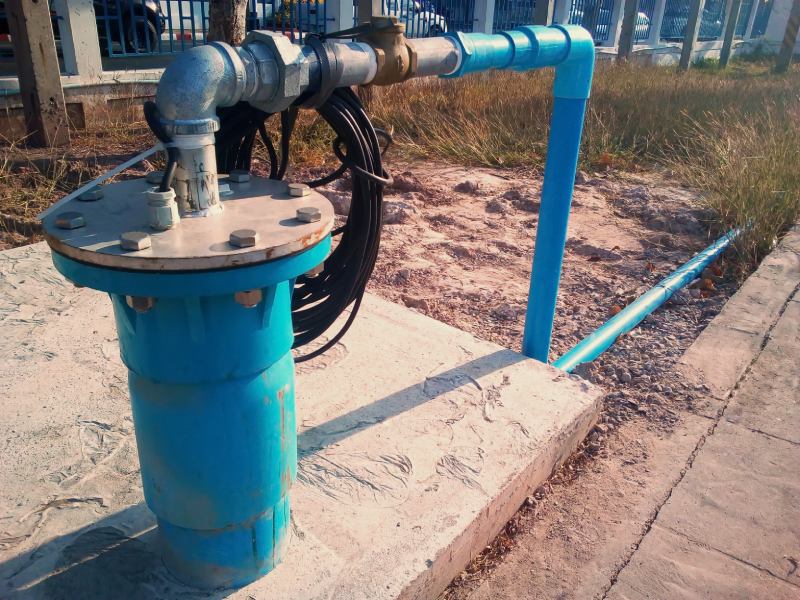
A well water test should never be a last-minute surprise during a VA, FHA, or USDA closing. Early scheduling, the right test panel, a qualified sampler, and a certified lab can make the process smoother for buyers, sellers, lenders, and agents.
Getting ready to close on a private well property in Maryland, Virginia, or West Virginia? Contact Tri-County Pumps today to schedule professional water sampling, get clear guidance on lender-requested testing, and work with a local, family-owned team that’s helped homeowners since 1991.