Nov 2, 2026 · 6 min read· Summarize in ChatGPT
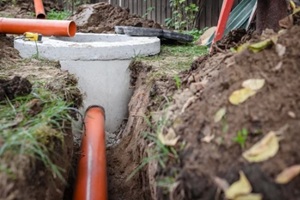
If your home runs on a septic system, installing a garbage disposal involves more than picking a model and calling a plumber. Unlike homes on municipal sewer systems, the ground food waste that goes down the drain doesn’t leave your property. It flows into the septic tank and adds to the solids the system’s bacteria are already working to break down.
Many homeowners across Maryland, Virginia, and West Virginia have asked whether they can install a garbage disposal on a septic system. This largely depends on your local county regulations. Typically, a conventional septic system allows for a garbage disposal to be installed. But those will an innovative or alternative septic system may not allow for the installation of a garbage disposal.
In most cases you can install a garbage disposal, but only if you take all factors in consideration including the changes that will occur inside your septic system.
How a Septic System Handles Solids
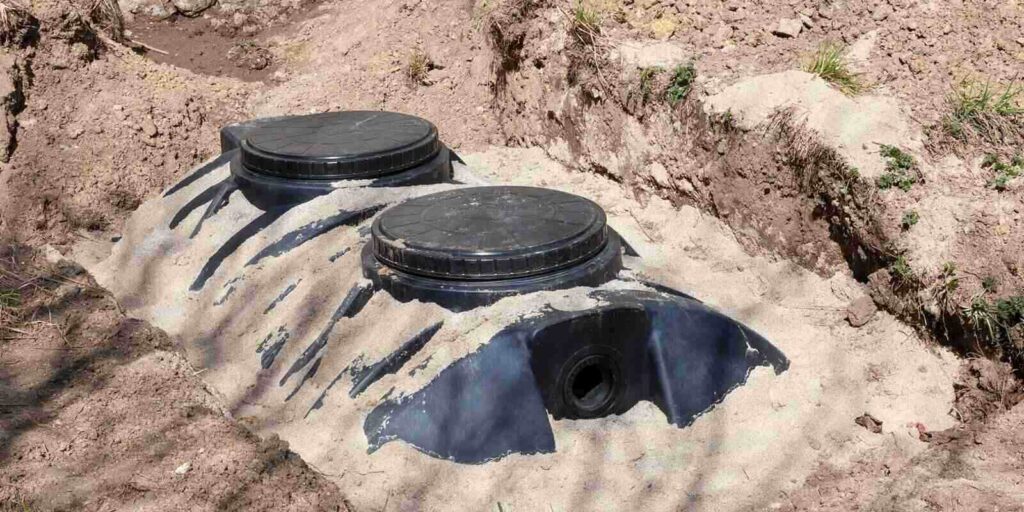
For homes on a septic system, wastewater from sinks, showers, toilets, and appliances all flows into the septic tank. Inside the tank, solids separate into layers. Heavier material sinks to the bottom as sludge, lighter material like grease floats to the top as scum, and the liquid in the middle flows out to the drainfield.
Bacteria in the tank break down a portion of those solids over time, but they can’t process everything. Whatever remains builds up as sludge, which is why the Environmental Protection Agency (EPA) advises that residential septic tanks typically need pumping every three to five years. Under normal conditions, that schedule gives bacteria enough time to keep up with the solids a household produces from bathrooms, laundry, and kitchen sinks.
How Garbage Disposals Impact Your Septic Tank
A garbage disposal grinds food scraps into particles small enough to wash down the drain, but those particles don’t disappear. They flow into the tank along with everything else and add to the solids the bacteria need to process. Food waste tends to break down more slowly than the organic material a septic system was originally sized to handle.
Regular disposal use can increase the solids entering a septic tank by up to 50%, according to the U.S. Indian Health Service. That additional volume means the sludge layer grows faster, and the tank reaches its working capacity sooner than the homeowner expects.
Not all food waste affects the tank equally. Grease and starches tend to compound the buildup more than fibrous vegetable scraps because they resist bacterial breakdown and can form a thick scum layer. Coffee grounds and eggshells pass through the disposal easily but sit in the tank largely unchanged, adding volume without contributing anything the bacteria can break down.
Factors That Make It Workable
A disposal doesn’t automatically mean trouble for a septic system. Several factors shape whether your system can absorb the added load.
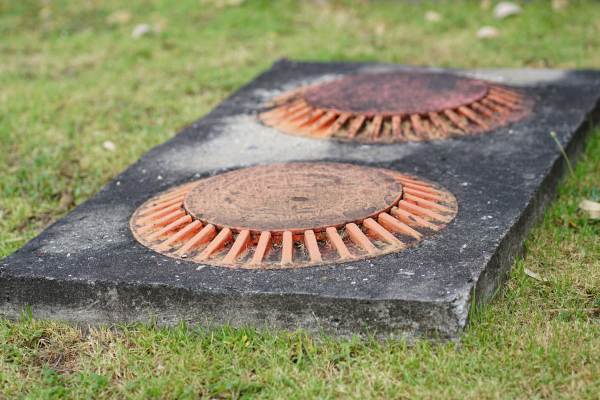
Tank capacity is the primary consideration. A larger septic tank provides more capacity for solids accumulation, while household size affects how quickly you use that capacity.
A Penn State Extension article explains that each person in the household contributes roughly 60 gallons of solids to the tank per year after bacterial reduction, and adding food waste from a disposal raises that annual total.
How the family uses the disposal also matters. Households that run it lightly, grinding the occasional dinner scraping rather than processing every meal’s food waste, tend to see far less impact. A system that’s recently been pumped and is in good condition also has more room to accept additional solids than one already nearing its service interval.
Adjustments Owners Should Expect
The most direct consequence of adding a disposal is that the tank will need pumping more often. With regular disposal use, that three-to-five-year pumping interval may need to shorten, depending on tank size and household habits. Some state environmental agencies recommend annual pumping for homes with active disposals.
Keeping certain materials out of the disposal helps protect the drainfield. Grease, cooking oils, coffee grounds, and fibrous material like celery stalks and corn husks can all contribute to buildup that bacteria struggle to process. Sending those items to the trash instead of the drain reduces the system’s extra load.
Before adding a disposal to the kitchen, having the tank evaluated and its current sludge and scum levels documented gives you a clear starting point. That baseline makes it easier to gauge how the disposal affects accumulation at the next service visit.
Habits That Matter More Than the Unit
Which disposal model you install matters less than how the household uses it. A higher-end unit grinds food into finer particles, which may help them travel through the plumbing more easily, but those particles still end up in the tank and still need processing.
The most effective habit is scraping plates into the trash before rinsing them in the sink. This keeps most food solids out of the system, and the disposal handles whatever small remnants wash off during cleanup. Running plenty of cold water during and after use helps carry what does go through the unit fully into the tank rather than letting particles settle in the drain line. Cold water also helps solidify grease, so it moves into the tank as a solid rather than coating the inside of the pipes.
Getting an Answer Specific to Your Property
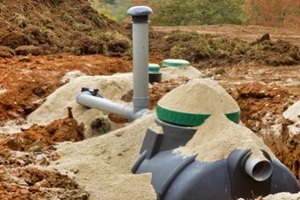
Your tank size, drainfield condition, soil composition, and daily water usage determine whether a disposal is a practical addition for your home. A professional evaluation that measures the tank’s current sludge depth and assesses the drainfield tells you what your system can support.
Tri-County Pumps Service, Inc. is a family-owned, local business founded in 1991. If you’re considering adding a garbage disposal and want to know how your septic system will handle it, call us at (301) 882-2698 or schedule a visit online. Our technicians will evaluate your tank, document where things stand, and give you a straight answer based on what they find. Let’s Keep It Flowing®.