Mar 23, 2026 · 6 min read· Summarize in ChatGPT
When your yard hydrant suddenly loses pressure, leaks at the base, or leaves a muddy patch that never dries, it’s more than an inconvenience. A steady drip or weak flow on a private well system can strain your pump and increase wear over time.
Most yard hydrant issues follow clear patterns once you understand how frost-free models work.
| In This Article: Learn how a yard hydrant works, what common leak and low flow symptoms usually mean, and how well systems, frost depth, and county setback rules can affect performance. We’ll also cover when a simple fix turns into a whole-system issue that requires professional attention. |
How a Frost-Free Yard Hydrant Works Below Ground and Why Drainage Matters
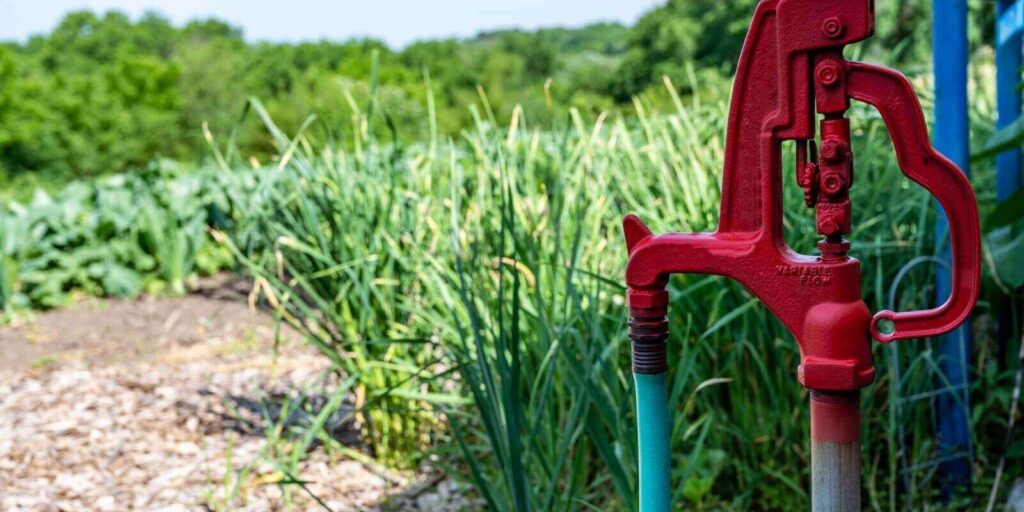
Most outdoor units installed in fields and yards are frost-free designs. The handle at the top connects to a long operating rod that runs down the standpipe to a plunger and valve seat buried below the frost line.
When you lift the handle, the plunger seals a small drain port and directs water up and out of the spout. When you push the handle down, the valve closes and the drain port opens, allowing the remaining water in the vertical pipe to drain into an underground gravel pocket.
That drain function is what keeps the yard hydrant from freezing. If water cannot drain after shutoff, it stays trapped in the pipe and can freeze during cold Maryland winters.
Frozen water expands; that expansion can crack the standpipe, deform seals, or damage the plunger assembly.
Drainage also affects performance while the hydrant is on. If the plunger does not fully seal the drain port, some of your water supply can bleed into the soil rather than reach the spout. You experience weak flow; underground, water is escaping every time you use it.
On a private well system, that hidden loss can cause the pump to run longer because system pressure never fully stabilizes. Over time, that extra runtime increases wear on the pump and pressure components.
Low Pressure or Low Flow: The Difference That Changes Your Diagnosis
Many homeowners describe a yard hydrant problem as low pressure. In reality, what they’re noticing is low flow: how quickly a bucket fills or how strong the spray feels at the end of a hose.
Pressure is measured in psi, while flow is measured in gallons per minute. You can have normal pressure at the tank and still experience disappointing flow at the hydrant.
Some common flow reducers include:
- Long garden hoses
- Narrow diameter hoses
- Multiple quick-connect fittings
- Partially closed valves
- Undersized supply piping over long runs
Friction loss increases with length and decreases with larger pipe diameters. If a water line was routed around septic reserve areas or other protected zones, the run may be longer than expected, which can reduce available flow at the hydrant.
On well systems, a persistent leak can blur the line between pressure and flow issues. If your pressure gauge swings quickly, your pump short-cycles, or it runs longer than usual when you open the hydrant, the issue may extend beyond the fixture itself.
The Most Common Yard Hydrant Leak and Low Flow Patterns and What They Usually Mean
Certain symptoms tend to point to specific problems. Paying attention to when and where water appears helps narrow down the cause.
Leaks Around the Handle or Stem While Running
Water seeping around the brass stem beneath the handle usually indicates a packing or O-ring seal issue. Many hydrant models allow tightening the packing nut to reduce seepage, so if tightening doesn’t stop the leak, the packing material or O-ring may need to be replaced.
This type of repair is often completed above ground and does not require excavation, provided there is no freeze damage to the body.
Drips From the Spout After You Turn It Off
A steady drip when the hydrant is off often points to a worn valve seat washer or debris lodged on the valve seat.
Well systems can carry sediment, iron particles, or scale, especially after filter changes or plumbing work. Even a tiny fragment lodged in the mechanism can stop the valve from closing tightly and create a persistent leak.
Clearing the hydrant line and examining the internal parts closely may be necessary to resolve the root cause of the malfunction.
The Ground Stays Wet or Sinks When the Hydrant Is On
Persistent damp soil or a slight depression around the base during operation suggests below-grade leakage. Causes can include a plunger that is not sealing the drain port, worn internal parts, or a crack in the standpipe.
Below-grade leaks are more serious. Water escaping underground can waste hundreds of gallons over time and may cause your well pump to run excessively.
Frost Depth, County Rules, and Why Location Matters on Well and Septic Properties
A frost-free label assumes the valve body is installed below the local frost line and surrounded by proper drainage material. In parts of Maryland, building references commonly cite a frost depth of around 30 inches; actual requirements can vary by county and site conditions.
Installation rules affecting yard hydrants can be county-governed and vary widely, and spacing from wells, septic tanks, drain fields, and reserve areas may be regulated.
County health departments and permitting offices often administer well and septic siting, plan review, and inspections. If you’re installing or relocating a hydrant or rerouting a supply line, confirm requirements with your local authority before any work begins.
Ignoring initial setback requirements can create compliance issues that are expensive to correct down the road.
When a Yard Hydrant Problem Is Really a Whole System Warning Sign
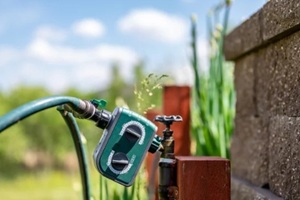
A yard hydrant that drips or delivers weak pressure can serve as an early warning that a more serious problem exists beneath the surface. On a private well, hidden water loss or drainage failure can shorten pump life and affect overall performance. Taking action at the first sign of trouble preserves the integrity of your supply line and limits the need for major fixes later on.
Since 1991, our family-owned team at Tri-County Pump Service, Inc. has helped homeowners and property managers across Maryland, Virginia, and West Virginia keep their water systems running smoothly.
If your yard hydrant isn’t performing the way it should, book an appointment through our website, call (301) 882-2698, or send us a message through our online contact form, and we’ll take it from there.