Aug 17, 2026 · 5 min read· Summarize in ChatGPT

Most water quality problems give some kind of signal. A sulfur smell can indicate hydrogen sulfide gas has leached into the water. Cloudy water can be as simple as pressurized air in the system. And hard water leaves scale on fixtures.
But bacterial contamination in a private well is different. Water at the tap that looks, smells, and tastes normal can carry bacteria at concentrations that exceed federal drinking water standards. The risk is greatest in summer, and routine testing is the only way to know what is actually in the supply.
How Warmer Temperatures Create Conditions for Bacterial Growth
Many bacteria reproduce faster in warm environments, and that applies directly to private well systems during summer months. Bacteria already present in the system at low levels can multiply rapidly as ground and water temperatures rise, shifting from a trace presence to a meaningful concentration without any visible change at the tap.
At the same time, the soil surrounding a well casing acts as a natural filter, removing contaminants as surface water moves downward toward the aquifer. That filtering capacity diminishes in dry, hot months, when soil becomes so desiccated that its ability to retain water is limited. Essentially, cracked, dry soil allows water to travel too quickly through the ground for the contaminants it carries to be filtered out before they reach the water supply.
Summer Conditions in Maryland That Raise Contamination Risk
Heavy rainfall during summer storms can move surface bacteria and agricultural runoff directly into shallow or improperly sealed wells. Surface water reaching the wellhead during a significant storm carries whatever was on the ground above it, including soil bacteria, animal waste, and fertilizer runoff common across Maryland’s agricultural counties.
Summer drought creates a different but related problem. As water levels drop, existing contaminants become more concentrated in the remaining supply. At the same time, increased activity from wildlife and insects near wellheads during summer months adds surface exposure. This is particularly problematic for wells with aging caps, loose-fitting seals, or casings that have developed gaps over time.
Why Bacterial Contamination Often Goes Undetected Without Testing
The most significant characteristic of bacterial contamination, from a homeowner’s standpoint, is that there are no signs of it in the water. Coliform bacteria and E. coli produce no detectable taste, odor, or discoloration at contamination levels that exceed what is safe. A well that has functioned reliably for years can develop a bacterial issue during a single summer season with no change in how the water looks or smells.
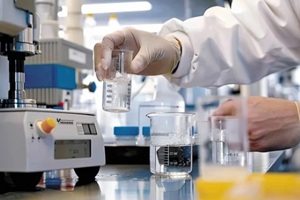
The only way to confirm the presence of bacteria is with a laboratory water test. A visual inspection of the water tells a homeowner nothing useful about bacterial load, and the invisible nature of the issue makes it worth understanding before summer is fully underway.
How To Test Your Maryland Well for Bacterial Contamination
Annual water testing is the baseline recommendation for any private well. And with summer being the highest-risk window for bacterial growth, it’s the most important time of year to schedule that test if it has not already been done.
Bacterial testing requires lab-based analysis. Tri-County Pumps offers a complimentary in-home water analysis that covers hardness, iron, and pH. To ensure the most accurate results, we send tests for bacteria, including coliform and E. coli, to an accredited laboratory, which carries an additional cost.
Bacterial contamination often has no visible signs, making the lab test the only reliable way to determine what is present in your water supply.
What Maryland Well Owners Can Do To Reduce Summer Bacteria Risk
When an accredited laboratory identifies bacterial contamination, shock chlorination is the standard treatment. After this disinfection, a second test is run to confirm the water is safe for normal use. This shock treatment is best done by a professional. The concentration of chlorine needs to be correct, and the follow-up test confirming the treatment worked is not optional.
For ongoing protection between tests, a UV treatment system provides continuous defense against bacterial contamination without introducing chemicals into the water supply. UV systems address coliform and E. coli bacteria and some other microorganisms as water passes through the treatment chamber, making them particularly well suited to summer months when bacterial risk is elevated and maintaining water quality matters most.
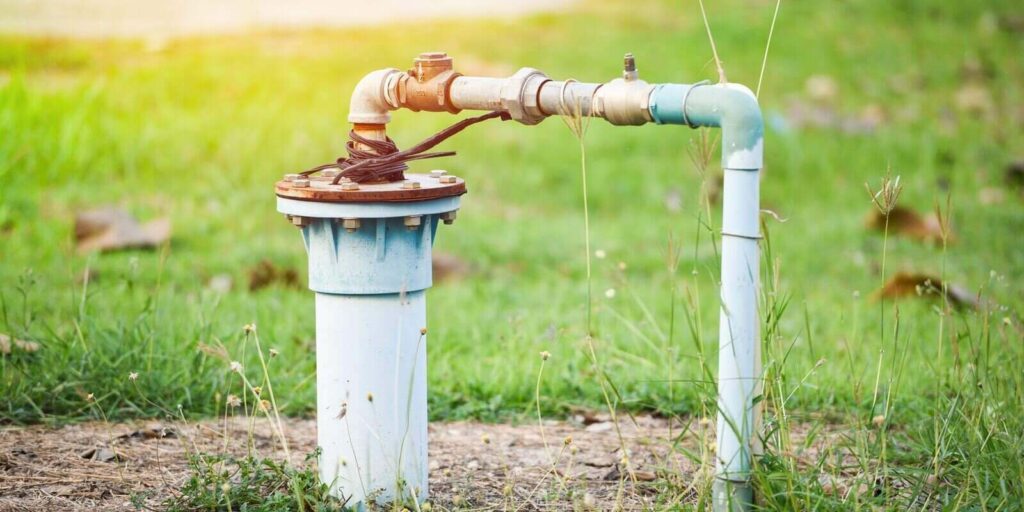
On the preventive side, a visual inspection of the well cap and casing before summer begins can identify cracks, gaps, or signs of an insect infestation. All of these can create a direct pathway for the system to be contaminated. A watertight cap and intact casing are the first line of defense between surface activity and the water supply. If anything looks compromised, bring it to a technician’s notice before summer peaks.
Schedule Your Summer Water Test With Tri-County Pumps
At minimum an annual bacteria water test is considered best practice by most. Water quality and conditions from private wells can change at any time and without recognizable reasons. Testing in summer, when conditions raise concerns for bacterial contamination could be a good idea. We must keep in mind that bacterial contamination is not isolated to just one season nor just summer and the risk is all year long.
Tri-County Pump Service has been family-owned and operated since 1991, helping homeowners across Maryland, Virginia, and West Virginia understand what is in their well water and what to do about it. Contact Tri-County Pumps today to schedule a summer water test and confirm your water treatment plan is protecting your Maryland household from seasonal bacterial risk.