Feb 9, 2026 · 6 min read· Summarize in ChatGPT
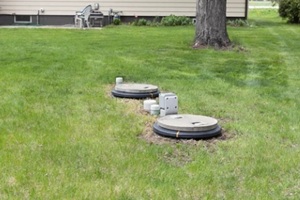
All throughout Maryland, countless homeowners rely on private wells and septic systems to meet their daily water and wastewater needs. These systems work quietly behind the scenes, yet when ignored, they can create serious problems for household health, property value, and the surrounding environment.
A well and septic inspection in Maryland, performed regularly, helps detect issues long before they escalate into costly, disruptive repairs.
| In This Article: You’ll learn why scheduling inspections matters, how often they should be done, and what professionals look for during each visit. The goal is to help you understand the lasting value of maintenance and what trusted local experts can do to keep your water systems running dependably year after year. |
How Well and Septic Systems Work Together to Protect Your Home
Private wells and septic systems serve as the foundation of water management for many Maryland homes.
According to the Maryland Department of the Environment, roughly 13% of residents rely on private wells for drinking water, while more than 400,000 homes use septic systems for wastewater disposal. When either system fails, the results can extend beyond the property line, contaminating groundwater and affecting nearby streams that feed into the Chesapeake Bay.
A regular well and septic inspection in Maryland helps homeowners stay ahead of these issues. It is a proactive way to confirm that the water entering the home is safe to drink and that wastewater is being appropriately treated before returning to the environment.
These inspections can detect early warning signs such as declining water pressure, damaged well caps, or a sluggish drainfield long before they develop into costly repairs or health hazards.
Why Regular Well Inspections Protect Water Quality and Family Health
Private wells fall outside the federal Safe Drinking Water Act’s governance, placing responsibility for water testing, maintenance, and treatment directly on the homeowner.
Both the Centers for Disease Control and Prevention and the Maryland Department of the Environment recommend testing private well water at least once a year for bacteria, nitrates, total dissolved solids, and pH. More frequent testing is advised after any repair, flooding, or change in water quality.
Common Contaminants Found in Maryland Wells
| Contaminant | Typical Source | Potential Health Impact |
| Coliform Bacteria | Surface water, septic leakage | Gastrointestinal illness |
| Nitrate | Fertilizer, animal waste, runoff | Infant methemoglobinemia (“blue baby syndrome”) |
| Arsenic | Natural minerals in local aquifers | Long-term cancer risk |
| Radon | Natural gas in bedrock | Increased cancer risk |
| Lead | Corrosion in older plumbing | Neurological and developmental harm |
Water contamination often has no odor, taste, or visible sign. Annual laboratory testing through a certified Maryland lab is the most reliable way to confirm potability. Potability standards are set by each county’s health department. For example, the Frederick County Health Department requires two passing bacteria tests (E. coli and total coliform), along with turbidity, nitrate, pH, and chlorine residual testing before issuing an occupancy permit. Following county guidance ensures water meets local health requirements.
How Septic Inspections Help Prevent Failures and Protect Groundwater
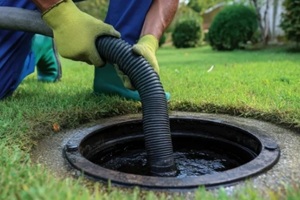
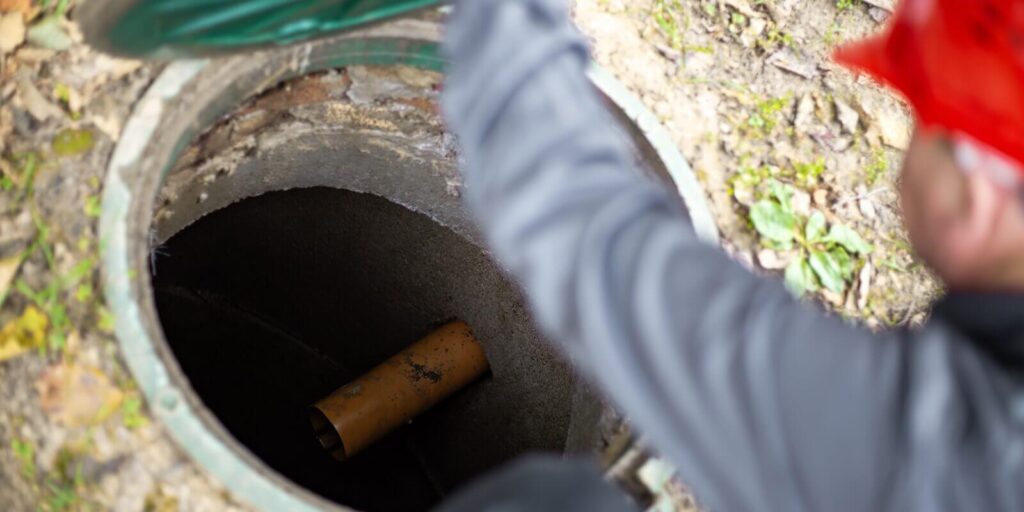
A septic system treats wastewater on-site through natural filtering processes in the soil. When properly maintained, it protects both public health and nearby water sources. If neglected, it can leak untreated waste into the soil and groundwater, spreading pathogens and releasing nitrogen that harms the environment.
According to state data, a typical Maryland household with a conventional septic system releases about 23 pounds of nitrogen into groundwater each year. Modern nitrogen-reducing “Best Available Technology” (BAT) systems can cut that figure roughly in half.
Wondering how often to get a septic inspection in Maryland? Maryland state regulations require BAT systems to be inspected annually by certified professionals, helping keep them efficient and environmentally sound.
Recommended Inspection and Pumping Schedules
Local health departments and the University of Maryland Extension recommend that septic systems be inspected regularly and pumped every 3 to 5 years. Skipping maintenance may seem like a short-term savings, but when tanks or drainfields fail, repair or replacement can cost tens of thousands of dollars.
Regular inspections help detect buildup, leaks, or system stress early, which keeps the system reliable for years to come.
How Maryland’s Environment and Laws Make Inspections Essential
Maryland’s geology makes consistent inspection more critical than in many other states. The Eastern Shore and Southern Maryland depend on sand-and-gravel aquifers that are highly vulnerable to surface contamination. At the same time, central and western regions draw water from fractured-rock formations that allow contaminants to travel quickly underground.
State regulations reinforce the importance of proactive water quality monitoring. Private well owners are responsible for routine water testing, and rental property owners must provide water quality results to tenants every three years under Maryland requirements.
For homes equipped with BAT septic systems, certified providers must perform annual inspections and submit maintenance reports to the Maryland Department of the Environment.
These measures protect public health and maintain the long-term integrity of Maryland’s groundwater resources.
The Long-Term Value of Regular Inspections and Maintenance
Scheduling septic inspections consistently helps homeowners avoid expensive system failures that far exceed the cost of routine maintenance.
Routine water testing and periodic septic inspections protect household health, prevent property damage, and support Maryland’s effort to reduce nutrient pollution entering the Chesapeake Bay. In addition, maintaining up-to-date inspection records strengthens property value, as buyers and lenders increasingly request documentation during real estate transactions.
Scheduling inspections on a predictable cycle, with annual water testing and septic evaluations every few years, builds confidence that both systems are functioning efficiently. Reliable system performance and potable, clean water create peace of mind for homeowners who know they’re protecting the value of their property.
Keep Your Home’s Water Systems Reliable with Trusted Local Expertise
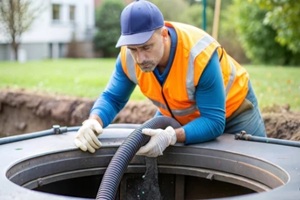
Regular inspections from licensed well inspectors in Maryland protect your family’s health, your property value, and Maryland’s water resources. Staying proactive helps keep small issues from becoming major repairs and keeps your well and septic systems running efficiently year after year.
At Tri-County Pump Service, Inc., we’ve served Maryland, Virginia, and West Virginia homeowners since 1991 with expert care for their wells, septic systems, and water systems. As a family-owned business, we build trust through dependable service, ongoing education, and relationships that extend well beyond a single appointment.
Begin today by scheduling online, calling (301) 882-2698, or submitting a request through our secure contact form. We’ll keep your water flowing clear, refreshing and reliably.