Jul 27, 2026 · 5 min read· Summarize in ChatGPT
Well pumps are built to run quietly enough that a sudden bang, knock, or thud can stop you in your tracks.
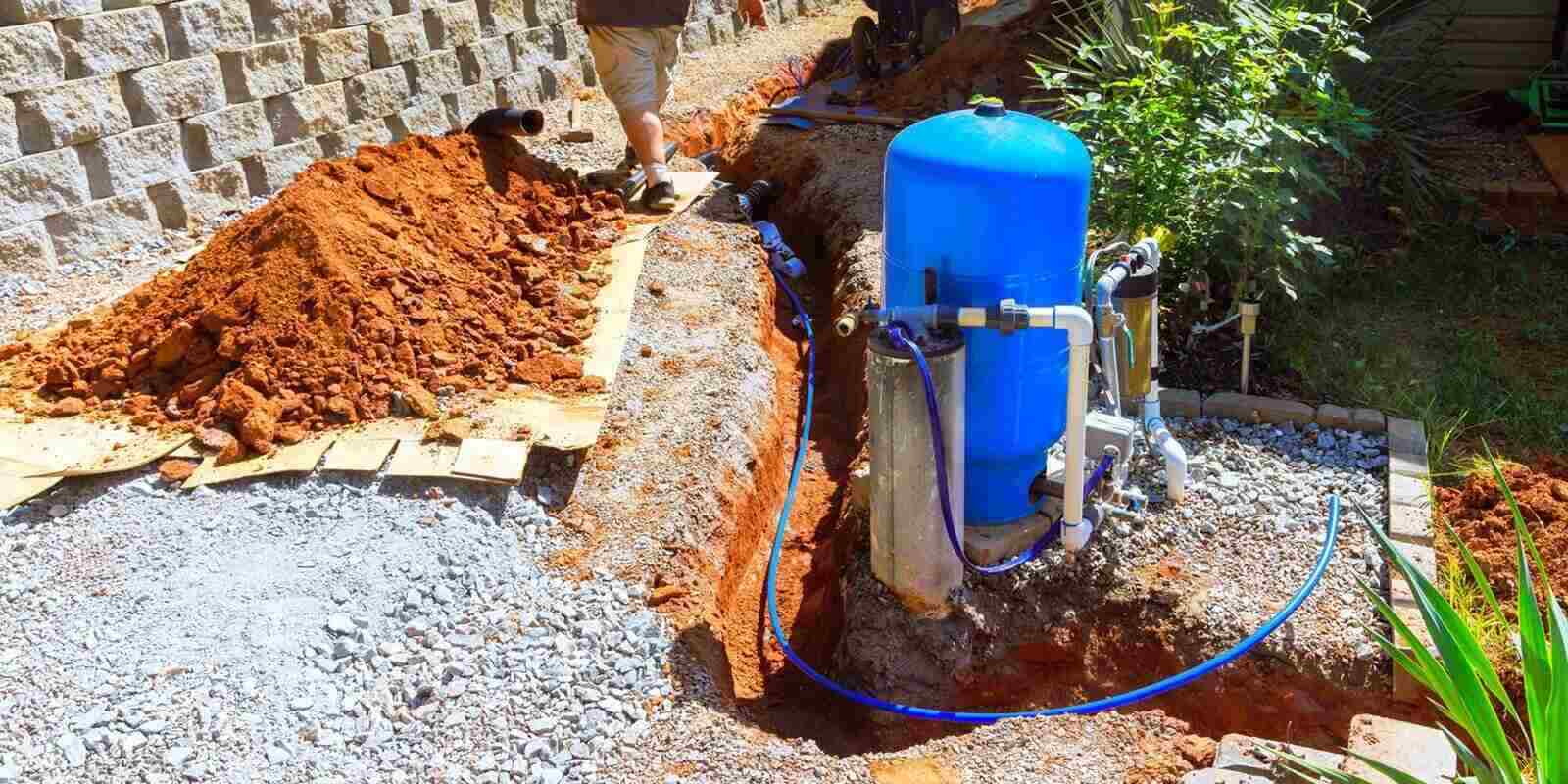
A noise like that can make you wonder if something is loose, wearing out, or putting extra strain on the system. You might hear the sound when the pump engages, and it can persist while water is running before appearing again as the pump shuts off.
A banging well system usually gives small clues before a repair gets larger. The timing of the sound, pressure changes, and pump cycling can help you decide when to monitor the noise and when to schedule a professional assessment.
Different Banging Sounds Signal Different Problems
A banging noise from a well pump is a common concern for homeowners across Maryland, Virginia, and West Virginia. The cause isn’t always the pump itself. Sound can travel along pipe runs and into the surrounding framing or even the pressure tank, making the true origin difficult to pinpoint.
The pattern gives the best clues. Does the bang happen when the pump starts, when it shuts off, or right after a faucet closes? According to the EPA, over 23 million U.S. households rely on private wells, so these system questions are familiar to many homeowners.
Cause 1: Water Hammer
A sudden change in water movement can create water hammer, often causing a banging or knocking sound in the pipes. Water has momentum, so that a quick stop can send a pressure wave through the piping.
A plumbing pressure change caused by a sudden flow variation is known as water hammer, and the result is often a sharp bang or a short series of knocks that many homeowners hear.
A water hammer well pump issue is often noticed around pump shutoff, although people may describe it as a well pump knocking when it starts. An occasional bang doesn’t always mean the pump is close to failing.
Repeated shock can still strain fittings, valves, pipe joints, and the pressure tank over time, especially when the sound returns during regular pump cycles.
Cause 2: A Failing or Waterlogged Pressure Tank
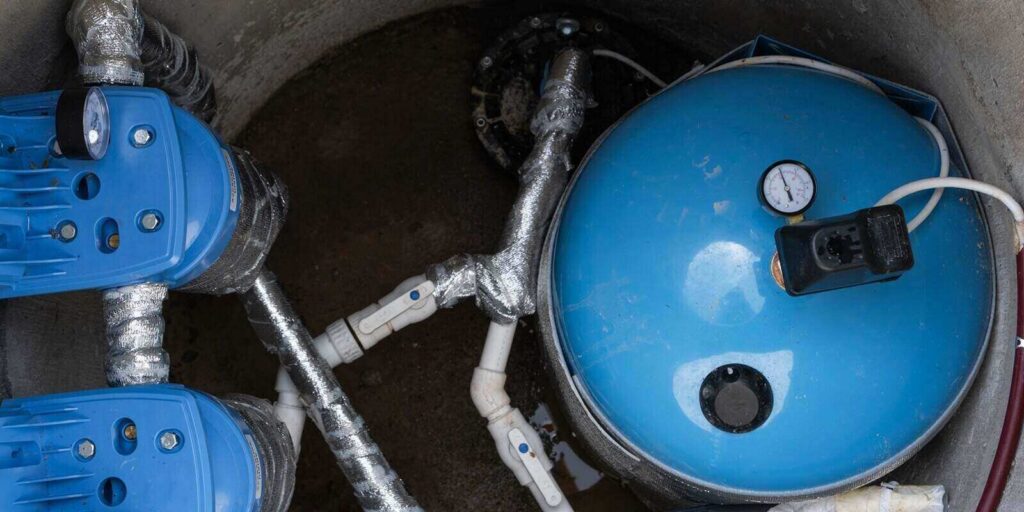
The pressure tank acts as a cushion for the well system. A healthy tank stores a limited amount of pressurized water, which helps reduce how often the pump starts. Many residential systems operate around 30 to 50 psi or 40 to 60 psi, depending on the setup.
Common symptoms of failure in a pressure tank often include rapid cycling, pressure swings, clicking near the switch, or banging that occurs along with repeated pump starts.
When the tank bladder loses air charge or fails, the tank can’t withstand pressure changes as well as before. The pump may start and stop too often, and the pipes may react with a noticeable knock.
The pattern is the main difference from water hammer. Water hammer often sounds like one sharp event. A waterlogged pressure tank often causes repeated short cycling, uneven pressure, and noise during normal water use.
Cause 3: Loose or Unsecured Pipes
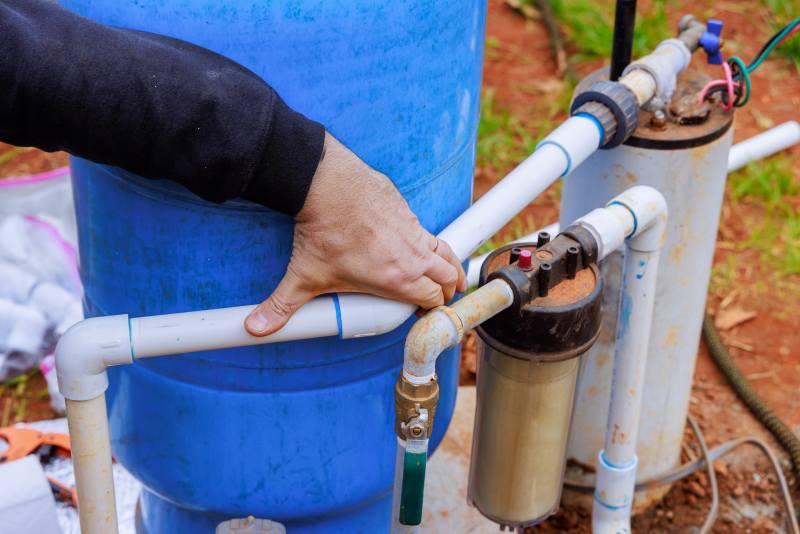
An issue with loose pipes in a well system is usually the least severe cause, but it can still be frustrating. Pipes that aren’t firmly supported can shift when pressure surges through the line. The result may be an audible impact, such as a clunk or knock against the framing, joists, or nearby material.
Pipe vibration travels, so a knock heard in one part of the basement may begin several feet away. Poorly secured pipes can move against nearby surfaces and create knocking or vibration when pressure changes move through the system. A trained technician can trace the pipe run and identify sections that need better support.
This type of noise doesn’t always mean the pump, tank, or switch is failing. Still, steady knocking can be worth addressing because it may continue irritating pipe joints and supports over time.
Cause 4: Pressure Switch or Regulation Issues
The pressure switch controls pump operation by signaling when the pump should turn on or shut off.
When pressure drops to the lower setting, the switch calls for the pump. When the pressure reaches the upper setting, the switch shuts off the pump.
A worn switch, an incorrect setting, or a regulation issue can cause pressure to drop too low before the pump engages. The pump then starts against a larger pressure difference, which can create a pronounced bang at startup.
A pressure gauge can provide a useful clue. If the reading regularly drops below the expected cut-in point before the pump turns on, the issue may involve the switch, tank charge, gauge, or nearby control parts. A professional diagnosis is the smarter route, since pressure controls affect the entire system.
When the Banging Sound Warrants a Professional Assessment
A faint knock that has sounded the same for years may be worth monitoring. A new sound, louder bang, rapid cycling, pressure fluctuation, or reduced water output should be checked before added wear turns into a larger repair.
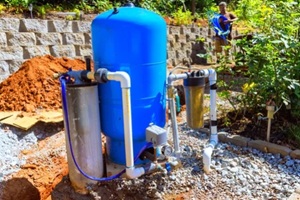
Tri-County Pump Service, Inc. provides well pump repair in MD, VA, and WV for homeowners who want a clear answer without having to diagnose their system on their own. As a family-owned company serving the region since 1991, our team is dedicated to teaching homeowners what they need to know and delivering dependable help throughout the entire water cycle.
When your home’s well pumps make a banging or knocking sound, the Tri-County Pumps well service team can help you understand what’s causing it, what to watch for, and what should be addressed now to Keep It Flowing®. Contact our team today to get started.