Jul 6, 2026 · 6 min read· Summarize in ChatGPT
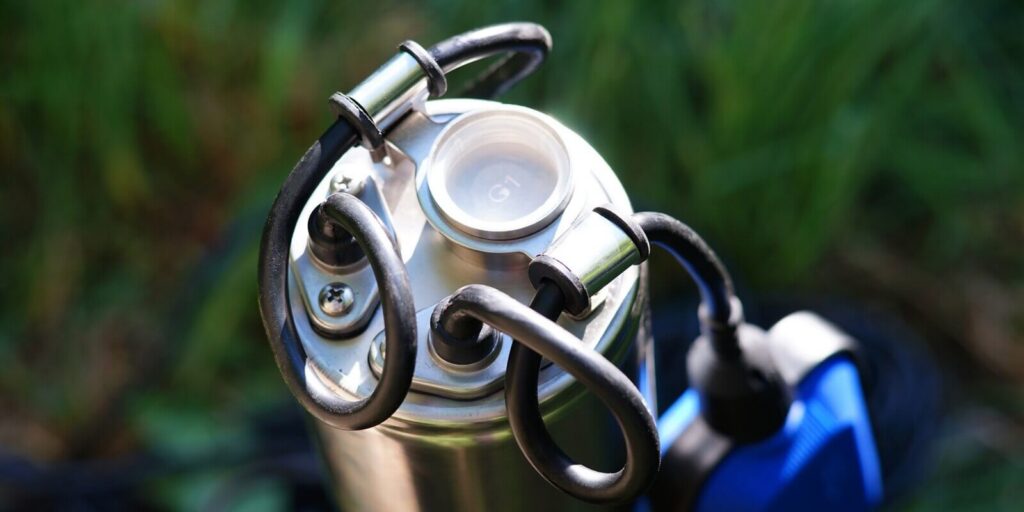
A quiet tap paired with a running pump can indicate low well supply, valve trouble, pressure tank issues, or a hidden leak in the well system. A calm look at each possibility can help you know when to wait briefly and when to call for help.
Many homeowners don’t think much about their well pumps until the faucet stops delivering water. A running pump with no water at the tap can feel confusing, especially when the system sounds like it’s doing its job.
The good news is that the problem needs attention, but the cause usually falls into a few familiar categories.
First: What It Means When Your Pump Runs but Nothing Comes Out
A well pump running but no water reaching the fixtures usually means the system can’t build usable pressure. The pump may be trying to move water, but something is interrupting the path between the well and the home.
Continuous running deserves attention because well pumps are built to move water, not run endlessly against air, low supply, or a leak. Extended dry-running can place serious stress on the pump motor and cause the equipment to fail sooner than it otherwise would.
According to the EPA, over 23 million U.S. households rely on private wells for drinking water, so this issue is familiar to many homeowners without municipal water service.
A well pump with no water pressure can indicate several issues, including the well, the pressure tank, a valve, the pump, or the piping inside the well. Working through those possibilities in a calm order can make the next step clearer.
Cause 1: Your Well May Have Run Low or Temporarily Depleted
A depleted well in Maryland, Virginia, or West Virginia can occur during dry stretches, late-summer water-table drops, or periods of unusually high household demand. Extra laundry, back-to-back showers, irrigation, guests, or livestock use can draw water faster than the well can recover.
If the water level falls below the intake, the pump may keep running even though there is not enough water to deliver. Faucets may sputter, pressure may fade, or water may stop entirely after heavy use.
Seasonal groundwater changes are normal. Groundwater often rises during wetter months and falls later in the summer when rainfall slows and outdoor water use increases. The University of Minnesota Extension notes that groundwater levels can decline during drought and periods of heavy water use, especially for wells with limited reserve capacity.
Temporary low water in the well is one of the few causes where a short pause may be reasonable. Even then, the pump shouldn’t be left running continuously with no pressure.
Cause 2: A Failed or Worn Foot Valve
A broken foot valve in a well jet pump system can make the pump sound active while the water supply keeps slipping away. The foot valve sits near the bottom of the drop pipe and acts as a one-way door. Water should move toward the home and remain in the system after the jet pump shuts off.
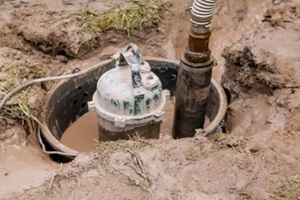
When the valve wears out, water can drain back into the well. The next time the jet pump starts, it may have trouble holding prime or may move water briefly before losing output again.
Signs often include pressure that drops between jet pump cycles, water that returns briefly and then fades, or faucets that sputter after the system has been sitting. Some homeowners notice the issue most after overnight downtime or long stretches without water use.
Foot valve problems usually don’t clear up on their own. A well professional can check whether a failing valve or leak is allowing water to drain back into the well, then recommend the right repair.
Cause 3: A Waterlogged or Failed Pressure Tank
The pressure tank holds water under pressure, allowing small water uses to occur without starting the pump each time.
Many residential pressure tanks range from 20 to 80 gallons, depending on system design and household needs, and the National Ground Water Association explains that pressure tanks help reduce how often the pump runs.
When the tank’s internal bladder fails or the air charge is lost, the system can no longer buffer pressure correctly. Common pressure tank failure symptoms include rapid cycling, erratic pressure, sputtering fixtures, or a pressure gauge that bounces rather than holding steady.
A waterlogged tank may cause the pump to start and stop quickly. In other cases, the pump may run without building enough pressure for steady water at the tap. The well may still have water, but the pressure system can’t deliver it properly.
A gauge that stays near zero while the pump runs is a strong clue that the system isn’t building pressure. The tank may be involved, but a technician should also check the pump, switch, valves, and piping before making the final call.
Cause 4: A Cracked or Disconnected Drop Pipe
The drop pipe carries water from the pump up through the well casing and toward the home. When that pipe cracks, separates, or loosens at a fitting, the pump may still move water, but the water never reaches the pressure tank or faucets.
A cracked drop pipe can feel especially frustrating because the pump may sound normal. The system is working against a leak it can’t overcome, often inside the well casing, where you can’t see it.
Common signs include sudden water loss, continuous pump operation, pressure that won’t recover, or water that returns briefly and fades again. Air in the lines or sputtering fixtures may also show up.
Drop pipe issues usually require pulling the pump for diagnosis. Since well piping leaks can occur inside the well casing, professional service is the right next step.
When To Stop Troubleshooting and Call a Well Pump Professional
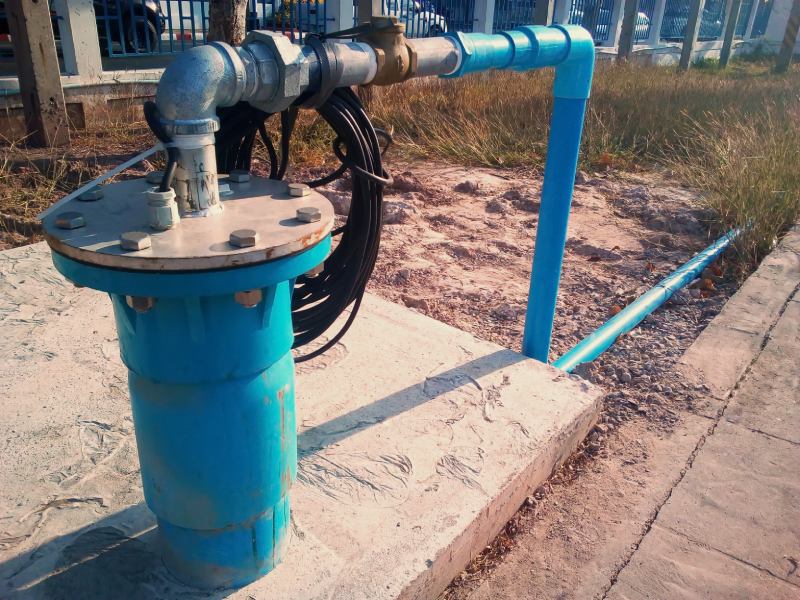
Suspected temporary well depletion during dry weather may justify turning off the pump and allowing the well time to recover. Every other cause on this list points toward a mechanical or pressure issue that likely needs professional attention.
Call for service if the pump keeps running with no pressure, water returns briefly and disappears, the gauge jumps around, the pump short-cycles, or the cause isn’t clear. Letting the pump continue to run can turn a repairable issue into a larger pump problem you have to deal with.
Tri-County Pumps provides well pump repair across MD, VA, and WV for homeowners who need clear answers when the water stops flowing. Since 1991, this family-owned team has helped local households understand their water systems, identify the source of the issue, and get water moving again with less disruption.
If your well pump is running with no water, don’t let it keep straining in the background. Contact the well service team at Tri-County Pump Service, Inc. for a diagnostic visit across Maryland, Virginia, and West Virginia, and get calm, experienced help when your home’s water supply suddenly stops.