
Nov 3, 2025 · 6 min read· Summarize in ChatGPT
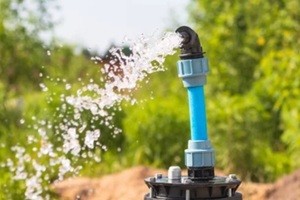
A steady hiss from your well pump can be unsettling. It may sound like air escaping or pressure building somewhere it shouldn’t. That sound is your system’s way of signaling that something has changed in how it’s operating. It could be air getting into the line, a relief valve venting, or even a shift in your water level.
Recognizing the meaning behind that faint hiss from well pumps can help you judge whether it’s something you can monitor for now or a problem that needs a technician’s attention before costs climb.
Determining the Type of Well Pumps You Have
Before you can figure out what’s causing that hissing sound, it’s essential to determine which kind of well pump you’re dealing with. Most homes rely on one of two common systems: a jet pump or a submersible pump.
A jet pump is usually located above the well and uses suction to lift water up from below. These systems are more likely to develop small air leaks on the intake side, which can cause hissing when air slips into the water line. Even a minor leak or loose fitting can introduce air that lowers pump efficiency and leads to noise near the pressure switch or tank.
A submersible pump, on the other hand, operates underwater at the bottom of the well. Instead of pulling water through the line, the jet pump pushes it upward using pressure. Because it’s sealed below ground, different issues can lead to hissing, such as cavitation or fluctuating water levels.
Knowing your pump type gives you an important clue about where to start listening and what symptoms to expect.
Common Causes of a Hissing Sound
A hissing noise in a well system usually points to one of several technical conditions, and the sound itself is the result of fluid or gas moving rapidly through a restriction. Understanding what triggers that motion can narrow the problem quickly.
Air Entering the Water Line
Air leaks are common in jet pump systems. Any small opening on the suction line can allow air to enter, which causes bubbles to form at the impeller and disrupts water flow. As air mixes with water, efficiency drops, and the system begins to sound as though it’s struggling. The hiss you hear could come from the pump body, the pressure switch connection, or near the tank.
There is one situation where a hiss can be normal: hydro-pneumatic tanks that use snifter valves or air volume controls (AVC). These components purposely charge air into the system to maintain the air cushion inside non-bladder tanks.
A brief hiss at the end of a pump cycle is expected in that case. Continuous hissing, however, usually indicates that a valve is stuck or the system is using the wrong setup for the type of tank installed.
Pressure Relief Valve Venting
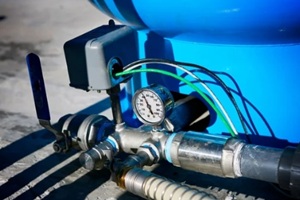
Pressure tanks are designed as sealed vessels, which means they must have a way to release excess pressure safely. Plumbing codes require a relief valve for overpressure protection, and some tanks also include a vacuum relief valve. If the system pressure rises too high, such as from a malfunctioning pressure switch or closed valve, the relief valve opens.
When that happens, air or water escapes through the valve opening of the well pumps, producing a steady hiss. While this indicates the safety feature is working as intended, it also signals that the cause of the overpressure needs immediate attention. Don’t block or cap a relief discharge; these valves protect the tank from failure and are mandated by code.
Pump Cavitation
Cavitation occurs when pressure inside the pump drops low enough for the water to vaporize, creating small bubbles that collapse when they reach higher pressure. Each collapse produces a sharp hiss or a sound like gravel rattling inside the pump. Over time, cavitation can erode impellers and shorten pump life.
Common causes include excessive suction lift, clogged strainers, restricted flow, or an undersized suction pipe. Professionals identify cavitation by recording suction pressure and determining the available net positive suction head (NPSH). Correcting suction conditions or lowering the pump location can often solve the problem.
Low Water Level in the Well
Groundwater levels fluctuate with the seasons and usage. If the water level sinks below the intake point, air may be drawn into the line while the pump is running, leading to sputtering, intermittent flow, and hissing near the tank as air pockets move through pipes.
During dry periods, heavy water use or drought conditions can cause a drawdown effect in the well, forming what hydrologists call a cone of depression. The lower the water level falls, the more likely it becomes for the pump to draw air. Monitoring water levels and adjusting pump depth can prevent recurring air ingestion.
Listening for the Source
Technicians often locate the cause of a hiss by pinpointing its source. Each sound location offers clues about the underlying issue, such as:
- At the wellhead: A short hiss immediately after the pump stops could come from a bleeder or snifter valve recharging air in a hydro-pneumatic system. Continuous hissing while the pump runs suggests a leak or air movement through the vented cap.
- At the tank or manifold: A constant hiss near a capped stub or small valve body is a likely indicator of a relief valve venting. Because relief protection is required by plumbing code, steady discharge here should be treated as a warning sign.
- At the pump: A rough hissing or rattling sound accompanied by vibration usually points to cavitation or air entrainment. Expect fluctuating pressure readings or rapid cycling if the tank’s pre-charge is also out of adjustment.
Restoring Quiet Confidence in Your Water System
Hissing well pumps may sound minor, but they often signal an issue that deserves immediate attention.
Whether the cause is air in the system, a relief valve venting, or changes in groundwater level, identifying the source early protects both performance and equipment life. The sooner the problem is inspected, the sooner your water system can return to smooth, reliable operation.
Tri-County Pump Service, Inc. is a family-owned company that has proudly served residents and businesses in Maryland, Virginia, and West Virginia since 1991, keeping water systems reliable year-round. Our technicians clearly outline what’s going on, why it’s important, and the steps you can take to avoid similar problems later.
If your well pump is hissing or your water pressure seems off, let our professionals inspect it and determine the cause. Schedule service online, call us at (301)-882-2690, or use our online contact form to get started.