Aug 26, 2026 · 5 min read· Summarize in ChatGPT
Most homeowners on a private well had the water tested either when they bought the house or installed the well. And at that point, the lender agreement likely included language about resolving issues before the loan could clear.
Too often, homeowners only have their water tested again after a problem comes up. Perhaps their water takes on a noticeable smell or leaves their fixtures covered with an orange stain.
Problems creeping up years after the water was sampled, or after a major event such as a flood or nearby construction, doesn’t mean the original test was wrong. The water in your well is dynamic, and its properties can change over time or rapidly. While contaminants from the surface should be separated from well water, disturbances happen and need to be taken into account.
| In this article: We discuss why residential well water should be checked periodically, the changes around the home or property to watch for, what to watch for at the tap, and how often Maryland, Virginia, and West Virginia recommend testing. |
A Test Is a Snapshot, Not a Guarantee
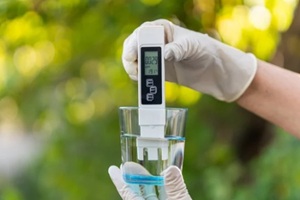
A water test tells you what was in your well the day the water was sampled. But groundwater conditions can change over time, your well’s integrity can be compromised, and nearby land use can change in ways that show up in well water.
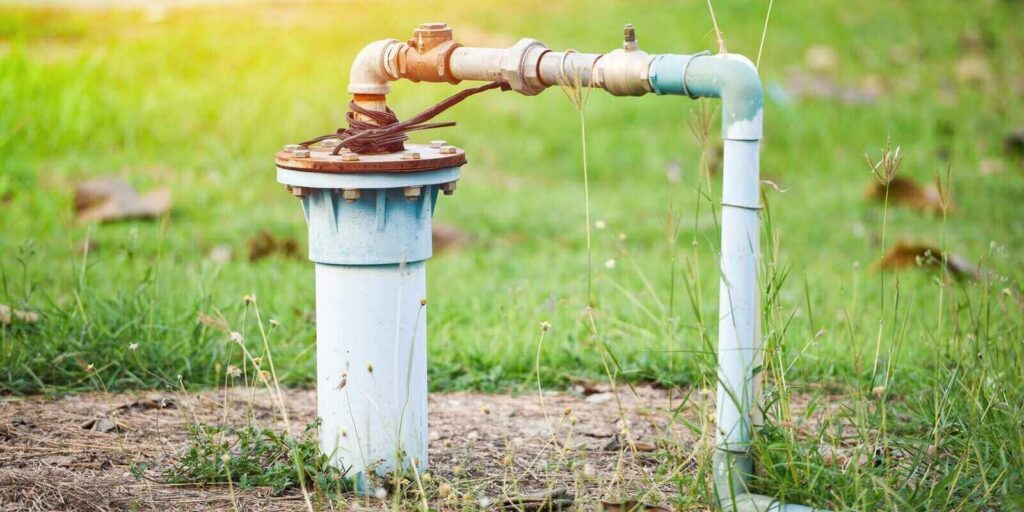
The aquifers a well pumps draws from typically doesn’t hold water like a tank. Rather, water slowly moves through the rock formations around the pump. As it moves, it can pick up and carry contaminants, including arsenic, iron, and radon that are then pumped into your home. This dynamic movement means your water quality can change even if nothing else about your system changes.
Parts of the well itself change over time, too. Casing seals that were tight during an inspection loosen as the ground settles around them. Grout cracks, sometimes years after the well was drilled. Both can open a path for surface conditions to reach the water column, and neither shows up in a report written before it happened.
A test result from five years ago is a perfectly honest description of your well as it existed then. But whether that description still holds now is a separate question.
Changes Around the Property That Call for a New Sample
Flooding that reaches the wellhead is a clear sign that the home’s water quality should be checked. Surface water carries bacteria, sediment, agricultural waste, and anything else it passed through. When those particulates settle in the soil around the casing, they can work their way into the system.
The CDC’s guidance after a flood is clear. Homeowners should not drink from a compromised well but should switch to bottled water for the short term. They should work with an experienced contractor to inspect the well, test it, and disinfect the well water.
How the land around a wellhead is used can also affect its water quality. Nearby drilling, construction of new homes or businesses, or a neighboring farm switching from pasture to row crops can all change how surface water moves and what ends up in the groundwater.
The United States Geological Survey (USGS) has traced contamination in domestic wells to changes in land use years earlier. That’s exactly the kind of thing a five-year-old test has no way of catching.
Household Circumstances That Make Current Water Data More Relevant
Apart from anything happening outside the home, the EPA recommends testing well water in the early months of pregnancy, when a new baby is in the house, and again when the baby is about six months old. Levels of nitrate that don’t affect adults can be harmful to young children, especially in those early months.
Similarly, if someone in the house starts a medical treatment or develops an illness that affects immune function, well water should be tested before the treatment begins and periodically until their condition improves. Even if the well water hasn’t changed, what might change is what counts as an acceptable result for immunocompromised household members.
Signs at the Tap Worth Paying Attention To
While not all problems are visible at the tap, some signs indicate that you should recheck your water. Cloudy or discolored water may have air or unwanted particulates. A rotten-egg smell could point to sulfur bacteria or changing mineral conditions.
New staining on fixtures, a metallic taste, or water that suddenly feels harder than it used to are also worth investigating. Iron and hardness levels can climb gradually and exceed recommended levels by the time you notice it in your dishwasher or faucets.
How Often Maryland, Virginia, and West Virginia Recommend Testing
The EPA’s recommended timeline for testing is once a year for coliform bacteria, nitrates, dissolved solids, and pH, no matter the previous year’s results. State recommendations in the area are similar:
- Maryland recommends annual testing, as well as if you detect a change in color, taste, or odor, or have a reason to suspect your well has been compromised.
- The Virginia Department of Health recommends testing yearly for bacteria and nitrate, and anytime you notice a change in water quality or if your wellhead has been flooded.
- West Virginia recommends annual testing for bacteria, nitrate, and sodium after the rainy season or after work on the well may have introduced contaminants.
For a broader panel that includes arsenic, manganese, and other naturally occurring elements, every three to five years is standard, with additional tests if flooding or other environmental factors are present.
Schedule a Current Test With Tri-County Pumps
Tri-County Pumps has been family-owned and operated since 1991 and is proud to continue serving our community by helping homeowners and businesses locate and solve their water quality issues with their private wells.
If you’ve noticed changes in your water quality, are expecting a baby in the house, or it’s just been a while since you had your well water sampled, call us at (301) 882-2776 or contact us online to stay on top of your well water’s conditions.