Jun 1, 2026 · 6 min read· Summarize in ChatGPT
| In This Article: Find out what exhausted resin looks like, why Mid-Atlantic well water can shorten softener lifespan, and how to decide between repair and replacement. |
A softener may still sound as though it is working normally, even as its resin, settings, or salt use become less effective over time.
Many homeowners across Maryland, Virginia, and West Virginia notice the warning signs long before the system stops working completely. If hard water symptoms are returning around your home, a professional water softener resin replacement may solve the problem without the cost of a full system upgrade.
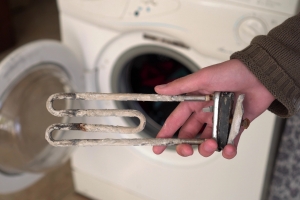
Older well water systems often struggle with iron, sediment, and heavy mineral content that wear down softener components over time. Knowing what resin does, how it fails, and when to repair or upgrade your unit can help you avoid wasted salt, frustrating water quality issues, and unnecessary replacement costs.
The Heart of the System: What Is a Resin Bed?
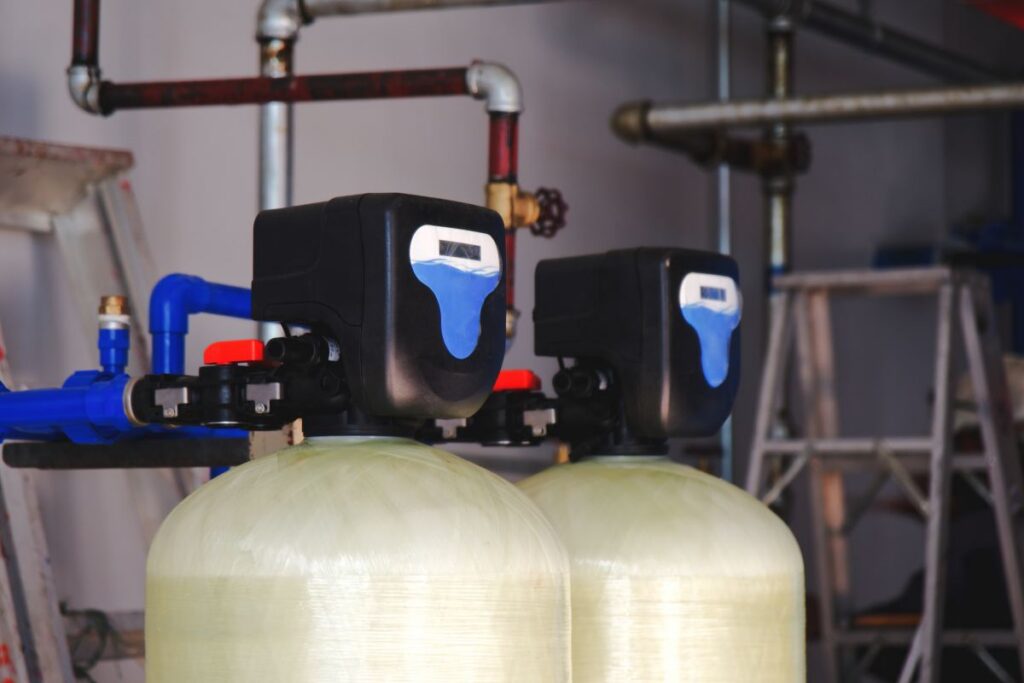
Traditional softening systems contain a dedicated tank where thousands of small resin beads wait for hard water to pass through them. Those beads are specially charged plastic materials designed to attract hard minerals such as calcium and magnesium.
During the softening cycle, the resin pulls hardness minerals out of the water and replaces them with sodium ions before the water continues through the home. Water treatment professionals call this process ion exchange.
Homeowners usually notice the results through softer laundry, easier cleaning, smoother-feeling showers, and fewer hard water spots on dishes from well water.
Resin doesn’t last forever, though, and years of exposure to iron, chlorine, sediment, and mineral buildup gradually weaken the beads. Once the resin becomes fouled or physically damaged, the softener may continue cycling while delivering little improvement to the water.
5 Warning Signs Your Resin Bed Is Exhausted
Most homeowners notice resin failure through everyday frustrations around the house. A few symptoms can resemble simple well water softener troubleshooting issues, such as low salt or a salt bridge, which makes proper diagnosis important.
1. The Return of the “Hard Water” Lifestyle
Soap may stop lathering properly during showers or while washing dishes. Laundry can feel stiff again, and skin may feel dry or itchy after bathing.
Many homeowners describe it as the softener suddenly “stopped working,” even though the system still appears operational.
2. Spots and Scale Build-Up
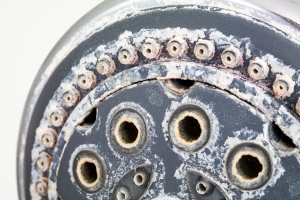
White chalky residue on faucets, shower doors, and drinking glasses is another common warning sign. Mineral buildup inside coffee makers and dishwashers may return as well.
Hard water scale appearing while the softener still cycles normally often points toward worn-out resin inside the tank.
3. Increased Salt Consumption
Failing resin loses its ability to hold hardness minerals efficiently. The system may regenerate more often while delivering little improvement in water quality.
Homeowners usually notice the problem when they’re hauling extra bags of salt into the basement every month with no noticeable change in the water.
4. Physical Resin Fragments in Your Water
Small amber, yellow, or sand-like particles in faucet aerators deserve immediate attention. Resin beads can escape into household plumbing when internal softener parts crack or deteriorate.
Ignoring those particles can lead to clogged fixtures and appliance issues throughout the home.
5. Strange Tastes or Odors
Metallic tastes, earthy smells, or musty odors that linger in the water may point toward contaminated or biofouled resin. Iron bacteria and mineral buildup can coat the resin bed over time, reducing performance and affecting water quality throughout the house.
Why Well Water Resin Fails Prematurely
Across the Mid-Atlantic, private well water can carry enough hardness minerals to make a softener work harder than it would on many municipal supplies.
Iron fouling in water softener systems is one of the most common causes of early resin breakdown in homes throughout Maryland, Virginia, and West Virginia.
Iron coats the resin beads, preventing them from exchanging minerals properly. Even if the beads remain physically intact, they gradually lose their softening capacity.
Homes using chlorination systems for bacteria treatment can experience another issue. Chlorine slowly weakens the resin structure through oxidation, causing the beads to break down faster.
Sediment and silt create additional stress inside the tank. Fine particles from the well can clog the resin bed and create channeling, allowing water to pass through untreated sections within the softener.
Homeowners may be wondering how long water softener resin lasts under normal conditions. In cleaner water, resin may perform well for 10 to 15 years, but heavy iron, sediment, or oxidants can significantly shorten that lifespan.
Repair vs. Replace: Making the Financial Choice
A full replacement isn’t always necessary when resin fails. Many systems still have solid tanks and functional control valves that can continue operating well after a resin swap.
Professional water softener resin replacement can save homeowners hundreds of dollars when the rest of the equipment remains in good condition. Experienced technicians inspect the tank, distributor tube, valve assembly, and brine system before recommending repairs.
Older systems sometimes make replacement the smarter long-term investment. Units approaching 12 years old may have outdated valves, declining efficiency, or worn internal parts that continue causing problems even after new resin is installed.
Newer softeners often use improved regeneration technology that reduces salt and water usage while delivering stronger performance for larger households.
DIY vs. Professional Service: What You Should Know
Replacing softener resin is messy, heavy work that surprises many homeowners. Wet resin is difficult to remove, and loose beads can clog drains, fixtures, and plumbing if handled improperly.
Professional service helps eliminate guesswork and identifies the actual source of the problem before repairs begin. Tri-County Pumps starts with water testing and system evaluation, so homeowners aren’t paying for unnecessary repairs.
Our technicians inspect the entire system during service visits, including the distributor tube, control valve, and brine tank. We also use high-capacity resin designed for demanding well water conditions common throughout Maryland, Virginia, and West Virginia.
Families across the region have trusted Tri-County Pumps since 1991 because we take the time to educate homeowners and provide practical recommendations for their entire home water system. Keep It Flowing® remains central to how we support our community every day.
Restore Your Water Quality Today
You don’t have to keep living with stubborn hard water symptoms, cloudy dishes, rising salt costs, or weak softener performance. A professional inspection can reveal whether your system needs routine service, a full upgrade, or a targeted water softener resin replacement that restores performance without unnecessary expense.
Tri-County Pumps provides trusted water treatment services for homeowners throughout Maryland, Virginia, and West Virginia. Our experienced team evaluates the entire water system, clearly explains the findings, and helps you make the right decision for your home and budget.
Reach out today to book a consultation with our family-owned team and learn how we can help Keep It Flowing® in your home over the long term.