
Jun 22, 2026 · 6 min read· Summarize in ChatGPT
| In This Article: A cistern doesn’t have to be intimidating once you understand how storage, pumping, and water treatment work together. This guide explains what buyers should know before closing, including how to estimate usage, review system components, and spot when professional inspection makes sense. |

Buying a rural or historic home can raise new questions fast, especially when you learn it has a cistern water system. Many buyers wonder whether the home will run out of water, how water enters the tank, and what needs to be checked before closing.
A cistern can be a manageable setup when you understand how storage, pumping, treatment, and maintenance work together.
What Is a Cistern Water System?
In simple terms, a cistern is where a household keeps its water before sending it through the plumbing.
The tank may be located underground, above ground, in a basement, or near the home, depending on the property. Water may enter the cistern through a rainwater collection system, scheduled deliveries, or other sources.
Once water is stored, a pump moves it into the home’s plumbing. Many systems include a pressure tank, pressure switch, sediment filtration, and water treatment equipment. The EPA describes cisterns as larger storage vessels that collect runoff and often use a pump to provide pressurized water flow.
Cistern vs. Well Water: What Changes?
The biggest difference between cistern and well water is how the water is supplied to the home. A well draws groundwater from below the property. A cistern stores water that has already been collected or delivered.
A well depends on groundwater yield and pump performance, while a cistern depends on tank capacity, the timing of refills, household use, and your system’s condition.
For buyers, the better question isn’t simply, “Is a cistern good or bad?, Does this specific cistern system fit the way this household uses water?”
With a private water system, the owner usually has to stay on top of water testing and maintenance. Virginia Tech’s private water resources group includes cisterns alongside wells and springs as private water supplies.
Ask the seller for tank size, average refill frequency, service records, water treatment history, and any records tied to hauled water services in VA, MD, or WV. Delivery records can help you understand the home’s real water use.
Start With Your Water Budget
A cistern works best when homeowners understand their water budget. According to the EPA WaterSense program, each member of an American household uses approximately 82 gallons of water daily.
For a four-person household, that could mean roughly 328 gallons per day before accounting for guests, laundry habits, outdoor use, or leaks.
Even though 2,500 gallons may sound substantial, normal household routines can place a steady demand on the cistern, depleting the available water faster than homeowners anticipate.
Long showers, frequent laundry, irrigation, and running toilets all affect storage. Small leaks matter too.
A buyer should ask how many people have lived in the home, how often the cistern was refilled, and whether the home has low-flow fixtures. These details help turn a vague concern into a practical plan.
How Water Gets Into the Cistern
Some properties use rainwater collection systems. Roof runoff moves through gutters, screens, filters, and piping before entering the tank. A well-designed setup usually includes ways to reduce leaves, sediment, and roof debris before water reaches storage.
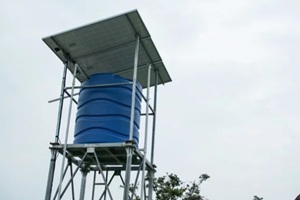
EPA notes that most cisterns rely on rooftop runoff because it generally contains fewer sediments than paved-surface runoff. Screens or filters can also help keep leaves and debris out of the storage vessel.
Other homes rely on delivered water. In that case, access for the delivery truck matters. Ask where the fill port is, how close a truck can get, and whether winter weather affects delivery access.
Some properties may use a blend of collection and delivery. Buyers should understand the water source before closing because it affects factors including treatment, maintenance, and cost.
What Should Be Checked Before Closing?
A standard home inspection may not give the cistern the attention it deserves. Ask for a professional review of the tank, pump, pressure tank, visible piping, controls, filtration, and treatment equipment.
Some important items include:
- Tank material, age, and location
- Lid and access cover condition
- Signs of cracks, seepage, staining, or sediment
- Screens, vents, overflow, and inlet piping
- Pump operation and water pressure
- Pressure tank age and function
- Filtration, UV, chlorination, softener, or other treatment equipment
- Recent water testing and maintenance records
Cistern pump maintenance deserves special attention. A jet pump or pressure pump may work quietly for years, then wear out due to age, cycling, low water levels, or pressure issues. A trained professional can evaluate whether the pump is properly matched to the home’s demand.
Instead of forcing the pump to kick on for every faucet use, the pressure tank supplies pressurized water first.
What About Cleaning a Concrete Cistern?
Concrete cisterns are common on older and rural properties. Over time, sediment, mineral buildup, cracks, or access-cover problems may appear. Cleaning a concrete cistern should be discussed with a qualified water system professional rather than handled casually by a new homeowner.
Ask when the tank was last inspected, pumped, or serviced. If the seller doesn’t know, include the cistern in your pre-closing evaluation.
CDC guidance for cisterns includes cleaning, rinsing, disinfecting, and flushing the plumbing after certain water-related events, highlighting the need for careful handling of cistern cleaning and disinfection.
Filtration and Water Testing Matter
No single treatment device handles every water concern. The best system choice depends on where the water comes from, the condition of the tank, how the plumbing is built, and how the home uses water.
Sediment filters, activated carbon, UV treatment, chlorination, softeners, and other equipment all have different purposes.
Virginia Cooperative Extension notes that water treatment equipment should be selected based on the specific impurities present and the intended use of the water. It also recommends periodic testing of equipment before and after treatment to confirm the system is working as expected.
Tri-County’s complimentary in-home water analysis covers hardness, iron, and pH. Bacteria, sulfur, PFAS, and advanced concerns require paid lab testing. Clear testing expectations help buyers understand what they’re reviewing before closing.
Call Tri-County Before You Commit
A cistern water system doesn’t have to intimidate you. It simply needs the right questions, the right inspection, and a clear understanding of storage, treatment, and pump performance.
Tri-County Pump Service can review the pump, pressure tank, water treatment equipment, and related components to give you a clearer picture before you buy. If you’re purchasing a home in Maryland, Virginia, or West Virginia, schedule a Tri-County cistern inspection today and Keep It Flowing®.