Feb 2, 2026 · 6 min read· Summarize in ChatGPT
A well pump should turn on when you need water and turn off once pressure is restored. If the pump keeps running continuously instead, it indicates a potential issue that needs attention. Homeowners often first notice the steady hum from the basement, sudden changes in water pressure, or an unexpected bump in the electric bill.
Across Maryland, Virginia, and West Virginia, people on private wells and septic systems often catch this early because the pump is part of daily life, not some hidden municipal system. A pump that won’t shut off signals a strain somewhere in the system, from a simple leak to a deeper issue with the well or controls.
Before panic sets in, understanding why this happens is the first step to protecting your water supply and preventing avoidable damage.
The Implications of Continuous Well Pump Operation for Your Well System Health
A healthy well pump operates in a cycle: it turns on when you run water, fills the pressure tank, then shuts off to rest.
Continuous operation means the pump never reaches the point where system pressure rises high enough for the pressure switch to turn the motor off. Either something is preventing the system from reaching the shutoff level, or the control mechanism that signals it to stop has failed.
Pumps are hardworking electric motors that rely on cooling water flow and downtime. Constant running strains the motor, increases power use, and can raise the risk of sudden burnout.
Around here, that risk matters because many properties throughout the area depend on a single private well for all household and livestock water. Losing that pump isn’t just inconvenient; it’s an emergency.
Common Situations That Cause a Well Pump To Run Steadily Without Cycling
When a pump refuses to shut off, there is always a reason hiding somewhere in the system. These are the situations professionals investigate first because each one keeps pressure from rising to the proper shutoff point.
Plumbing Leaks That Constantly Pull Water and Pressure Down
Imagine system pressure like air in a balloon: leaks bleed off that pressure, requiring nonstop refilling.
A cracked water line between the well and the house may disappear into the soil without causing any surface puddles, while a silent toilet flapper leak can send hundreds of gallons per day down into the plumbing system. A slightly open hose bib or livestock hydrant acts like a permanent demand point. All of these force the pump to run to keep up.
Frequent Plumbing Leaks That Trigger Constant Well Pump Operation
|
Leak Source |
Why It Causes Continuous Running |
Extra Concerns |
|
Running toilet |
Constant pressure drop |
Septic overload, wasted water |
|
Buried service line crack |
Never allows pressure recovery |
Hidden water loss into the soil |
|
Dripping outdoor faucet |
Continuous demand |
Freezing risk in winter |
|
Irrigation line leak |
Water loss while the system is idle |
High electric bills |
Water entering drains in the home or the septic tank can stir up solids and push material toward the drain field. This takes a pump concern and adds a second expensive problem.
Pressure Tank Failure That Leaves No Air Cushion For Stored Pressure
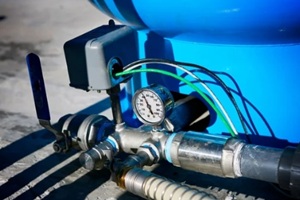
The pressure tank holds an air charge on one side of a bladder and water on the other. When the bladder tears or the tank becomes waterlogged, there’s no usable air reserve. Pressure drops quickly each time water runs, then the pump fires back up instantly, which can look like constant running or rapid short cycling.
Either situation accelerates wear on pumps, switches, and motors. Many homeowners do not think about their pressure tank until failure becomes obvious. In older homes across Maryland, Virginia, and West Virginia, it’s fairly common to find original tanks that have quietly been struggling for years.
Pump Performance Or Water Supply Challenges That Stop The System From Hitting Shutoff Pressure
Pump motors wear out, and wells change over time. Worn impellers in a submersible pump move less water and deliver weaker pressure.
A low-producing well may not provide enough water to raise system pressure to the cutout level, which is especially common in deeper bedrock wells common throughout western Maryland, the Shenandoah Valley, the Blue Ridge, and most of West Virginia, where the well relies on natural fractures in rock.
During dry stretches, the recovery rate can slow, and the pump runs and runs but never quite reaches full pressure.
In parts of Maryland and eastern Virginia where wells are shallower and use jet pumps or booster pumps in the basement, even a small air leak in the suction line can keep the pump from pulling a solid column of water. The result looks similar on the surface; the pump never reaches shutoff pressure, so it never earns a rest.
Pressure Switch Or Check Valve Problems That Create Electrical Or Hydraulic Run-On
A pressure switch must open electrical contacts once the target pressure is reached. Contacts can stick closed due to corrosion or arcing. The pump keeps running because the signal to stop never arrives. System pressure may rise above normal levels, straining plumbing, appliances, and water treatment equipment.
A failing check valve allows pressurized water to leak back toward the well. Pressure drops again, the switch restarts the pump, and the cycle repeats with no visible water leaks inside the home.
Taking Continuous Well Pump Operation Seriously
In Maryland, Virginia, and West Virginia, most properties on wells and septic systems are on their own, meaning there’s no city water department watching pressure for you.
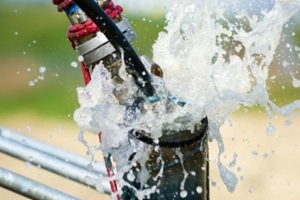
If your pump runs nonstop, it could mean that the system cannot build pressure, pressure is bleeding off through a leak, the controls are stuck on, or the well itself is starting to struggle. All of those problems deserve attention before you lose the pump completely or flood the septic field.
Tri-County Pump Service, Inc. has been a trusted, family-owned provider since 1991, serving the area with technicians who know these systems inside and out. If your well pump is running around the clock, water pressure is changing, or something simply feels off, reach out before a minor issue becomes a costly repair.
Call us at 301-882-2776, schedule service online, or send a message through our online contact form. We’re here to keep your water flowing strong, clean, and dependable.