
Dec 1, 2025 · 5 min read· Summarize in ChatGPT
A struggling well pump can signal that something inside the system needs attention. For homeowners searching for well pump repair in Manchester, MD, here are some symptoms to look for when assessing a well pump.
How a Healthy Well System Should Operate
A well pump operates by turning on and off as system pressure rises and falls, creating a controlled cycle that supports steady water flow.
When water is used:
- pressure falls to the cut-in setting
- the pump activates
- pressure rises to the cut-out level
- the pump stops
A properly charged pressure tank stores water under pressure to limit pump starts and help the system operate smoothly. When any part of this process slips out of balance, it may be time to repair well pump systems or consider replacement as the smarter choice.
Simply glancing at the pressure gauge can help you spot early shifts that signal developing problems. A pump that runs continuously or struggles to reach the upper pressure setting often hints at deeper mechanical or hydraulic issues.
When To Repair a Well Pump
Several situations cause excessive pump operation, but many of them can be corrected without installing a new pump. Technicians in the field often look first for leaks, malfunctioning controls, or tank-related issues because these are both common and relatively easy to fix.
Hidden Leaks That Increase Pump Run Time
Toilets with stuck fill valves, dripping fixtures, and outdoor hydrants often create a continuous demand that keeps the pump running. EPA data shows that everyday household leaks can waste significant amounts of water weekly, so a pump will work hard to keep up.
Underground breaks between the well and the home are another possibility, and they can release thousands of gallons per day into the soil. A soggy patch in the yard or unusually lush grass in a narrow strip may indicate a buried line leak.
Check Valves and Pressure Switches
A leaking or stuck check valve allows pressurized water to flow back toward the well. When this occurs, pressure drops steadily even when no water is being used, so the pump runs far too often. Pressure switches can create similar symptoms.
Contacts may stick closed, springs may drift out of adjustment, or sediment may block the sensing port. These situations are correctable by a trained technician, which makes them strong candidates for repair.
Pressure Tank Problems
A waterlogged tank or a failed bladder sharply reduces drawdown volume. The pump may start and stop rapidly or run for extended periods without satisfying the cut-out setting.
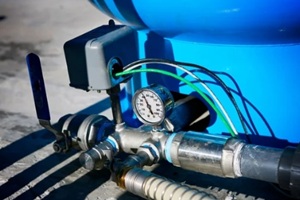
A technician can check precharge levels, evaluate drawdown, and determine whether the tank needs service or replacement. Fixing tank issues often restores normal pump behavior without replacing the pump itself.
The following table offers a simple look at the factors technicians commonly review when assessing these scenarios:
| Symptom | Likely Cause | Repairable? |
| Pump runs constantly with no visible leaks | Failed check valve or underground pipe leak | Often |
| Rapid on-off cycling | Waterlogged tank or failed bladder | Yes, unless the tank is severely damaged |
| Pump runs but cannot reach the cut-out pressure | Partially clogged screen, worn impellers, low water level | Sometimes, depending on severity |
| Pump runs with no water delivered | Possible dry run or severe well issue | Often requires stronger intervention |
3 Well Pump Replacement Signs
Certain patterns point toward deeper problems that may require a full replacement. These indicators help homeowners decide when to replace well pump in Maryland instead of continuing repairs.
Declining Pump Performance and Long Recovery Times
A pump that takes far too long to raise pressure, struggles during periods of moderate use, or fails to recover after heavy demand may be nearing the end of its service life.
In many homes, this happens when impellers have worn down over years of use or when the motor can no longer deliver its rated output. These symptoms are classic well pump replacement signs, particularly when performance continues to decline after routine maintenance.
Wells With Low Yield or Changing Water Levels
Wells in fractured-rock aquifers across Maryland, Virginia, and West Virginia often experience seasonal or drought-related drops in water level.
When the water level sits close to the pump intake, the pump may run continuously without satisfying the pressure switch. Installation depth, well construction, and aquifer characteristics all influence how well a pump can keep up. Persistent low-yield conditions sometimes accelerate pump wear, which increases the likelihood of replacement.
Ill-Functioning Advanced Controls or VFD Components
Variable-frequency-drive (VFD) systems rely on electronic sensors and controllers to maintain steady pressure. Failed pressure transducers, misbehaving drives, or erratic controller behavior may indicate the need for replacement. The pump, motor, or control components are all candidates for replacement, particularly when repair parts are outdated or unavailable.
Reviving Your Well System
Deciding when to repair or replace a well pump becomes much clearer once you understand how the system should operate, the common problems that lead to constant pump activity, and the signs that point toward declining performance. A thoughtful assessment helps prevent unnecessary strain on your equipment and supports dependable water flow throughout your home or business.
At Tri-County Pump Service, Inc., we draw on more than three decades of hands-on experience with well pump systems, water treatment, septic services, and plumbing. We’re here to help keep your water system working smoothly and Keep It Flowing® for the long run.
If your pump is running longer than it should or you are unsure whether repair or replacement is the better choice, now is a good time to reach out. Schedule a service visit on our website, call (301) 882-2698, or connect with us through our online contact form.