Jan 19, 2026 · 6 min read· Summarize in ChatGPT
When winter settles into Maryland and temperatures dip below freezing, your home’s water system can quietly run into trouble.
For many homeowners, the first warning sign is simple: no water coming from the tap. What often feels like a major pump failure may actually be something much sneakier: a frozen section of your well system caused by cold weather.
If you rely on a well pump in Maryland, understanding these cold-weather warning signs can help you catch a problem before it leaves your home completely without water.
| In This Article: Learn how to recognize early signs that your well pump or nearby components are freezing, why such an event happens in Maryland’s winter conditions, and what steps can help protect your system before lasting damage sets in. |
How Maryland’s Winter Weather Creates Hidden Trouble for Well Systems
Despite Maryland’s moderate winters, a few nights of freezing temperatures can cause significant damage to a home’s water system. The average January low hovers in the mid-20s °F, and with a frost line around 30 inches deep, any part of a well system sitting above that level can freeze solid.
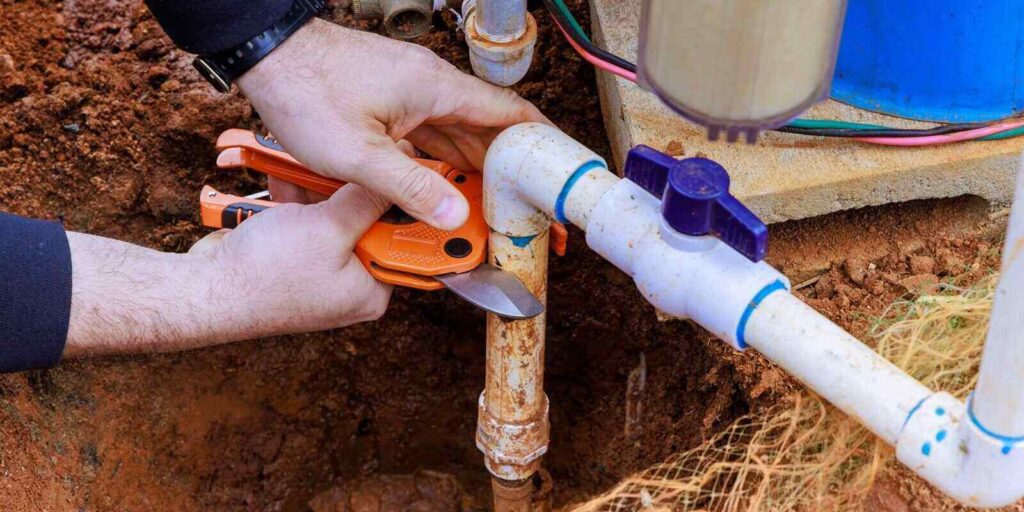
Most well pump systems in Maryland use submersible pumps that rest deep underground where groundwater stays above freezing. The real problem is usually in the short section of pipe that exits the well casing, fittings near the pressure tank, or any portion of plumbing located in an unheated crawlspace or well house.
When these exposed parts freeze, water flow stops, even though the actual pump may still be working.
Knowing which parts of the system are most vulnerable gives homeowners a better chance of spotting subtle warning signs long before real trouble develops. Pipes that run along exterior walls, shallow water lines, and uninsulated pressure switches often freeze first during extended cold snaps or wind-driven chills.
Recognizing the Pattern That Sets Freezing Apart from Pump Failure
A frozen well system behaves differently from a mechanical breakdown. When ice blocks a pipe or fitting, it acts like a temporary valve, closing off water flow.
Once temperatures rise, the blockage can melt, and the system might appear to “fix itself,” which doesn’t happen with a failing pump.
Weather timing gives another clue. Problems that appear right after a night below 32°F and then fade during the day almost always indicate freezing.
The pump motor might still hum or run constantly, but no water reaches the house because it’s pushing against ice. Unlike an electrical issue, this kind of blockage doesn’t trip breakers until the pump begins to overheat from overwork.
Monitor for recurring cold morning outages that subside by afternoon; this pattern is one of the most reliable indicators that freezing, not pump damage, is the cause.
Common Freezing Symptoms and What They Usually Mean
Many cold-weather symptoms overlap, but a few stand out as strong evidence that your well or nearby parts are freezing.
|
What You Notice |
What’s Likely Happening |
|
No water or a weak trickle from every faucet |
Ice has blocked the line between the well and pressure tank, stopping flow completely. |
|
Sudden pressure surges or sputtering air at faucets |
Partial freeze in pipes or fittings narrowing flow, creating air pockets. |
|
Pump running constantly or clicking on and off rapidly |
Ice prevents the system from reaching normal pressure, causing short-cycling. |
|
Breaker trips or pump hums without moving water |
The motor is straining against frozen water and drawing too much power. |
|
Frost or thin ice forming on well equipment |
Exterior frost shows that internal temperatures are nearing freezing. |
When these symptoms show up, it’s best to shut the pump off and call a qualified technician before internal parts overheat or pipes crack.
How Maryland Homeowners Can Spot Problems Before They Escalate
The first warning sign often appears outdoors. A ring of ice around the wellhead or a small mound of heaved soil can indicate a leak just above the frost line.
As that water seeps out and freezes, it builds an icy collar that can damage seals and casing components.
Inside, keep watch for frosted pressure gauges, rapidly clicking switches, or condensation that turns to ice near the tank or fittings. Even small patches of frost signal poor insulation or airflow in a well house or crawlspace.
If the pump room feels noticeably colder than the rest of the basement, pipes there may already be at risk.
For homes with older or DIY well lines, the risk increases because those lines might not have been buried to the recommended 30-inch depth. During Arctic blasts, shallow lines can freeze overnight despite mild daytime weather.
Preventing Damage Through Prompt Attention and Professional Help
When warmer weather brings the thaw and water begins to move again, it’s risky to assume the system is back to normal without actually checking its condition.
Freeze-thaw cycles expand and contract metal and PVC piping, often leaving behind small cracks that become leaks later in the season. Those leaks waste water, reduce pressure, and make the pump work harder than it needs to.
Professional service teams can inspect insulation, verify buried pipe depth, and protect exposed components with heat tape or frost-proof housings. A company experienced in well systems, water treatment, septic services, and plumbing can provide complete freeze-protection solutions that keep your home’s water flowing reliably all winter.
For homeowners relying on a well pump in Maryland, recognizing these subtle signs early can make the difference between a quick fix and an expensive emergency call once everything thaws.
Staying Ahead of Freezing Problems Starts with Local Expertise and Reliable Care

Winter freeze issues can sneak up fast, but understanding how and where they happen gives homeowners a big advantage. If your water pressure drops, the pump won’t shut off, or you spot frost on exposed piping, those are early warning signs worth acting on before they lead to costly repairs.
At Tri-County Pump Service, Inc., we’ve spent more than 30 years helping Maryland, Virginia, and West Virginia homeowners keep their water flowing no matter how cold it gets. If you’ve noticed changes in water flow or suspect your well equipment might be freezing, let our professionals take a look before the next cold snap hits.
Schedule a visit through our website, call (301) 882-2698, or use our quick online contact form to get started. We’ll help identify the problem, restore your water, and keep it KEEPITFLOWING® all winter long.