Aug 3, 2026 · 5 min read· Summarize in ChatGPT
| Is your Maryland water softener producing harder water this summer? Learn the signs your treatment system is struggling and when to call for service. |

Water softeners and filtration systems tend to attract attention only when a home experiences a change in water quality. Summer is when that change is most likely to show up, and homeowners might mistake the first signs of an issue as something that will pass on its own.
They may not realize their treatment equipment is falling behind until the issue is too large to ignore.
Why Summer Puts Extra Stress on Water Treatment Systems
Water treatment equipment is sized to handle a household’s average daily water demand. But summer activities can quickly stress the system. More people are home, taking more showers, and doing more laundry. Sprinkler or irrigation systems run regularly. Kids are outside playing with hoses and swimming pools. This all stacks up into a daily throughput that some systems were not sized to absorb.
Softeners cycle more frequently to keep up, consuming salt faster than expected. Filter cartridges reach saturation ahead of their normal service interval. UV systems log more run hours per week than they do during quieter months. Beyond the volume itself, higher summer ambient temperatures can reduce resin bed efficiency in water softeners and accelerate media saturation in whole-house filtration systems, compounding the effects of increased demand on performance. A system that runs well in March could struggle in July.
Signs Your Water Softener Is Falling Behind This Summer
Scale is usually the first thing homeowners notice when their softener isn’t keeping up. It’s a white mineral buildup of calcium and magnesium that can coat fixtures, showerheads, and even clothing. The calcium and magnesium in hard water also react with soap molecules, preventing soap from lathering properly and making it harder to wash.
A softener with more demand than it can handle will regenerate more frequently and burn through salt faster than normal. If you are refilling the brine tank noticeably ahead of your normal schedule without any change in how many people are in the house, the system is working harder to keep up than it should.
Signs Your Filtration System Is No Longer Performing
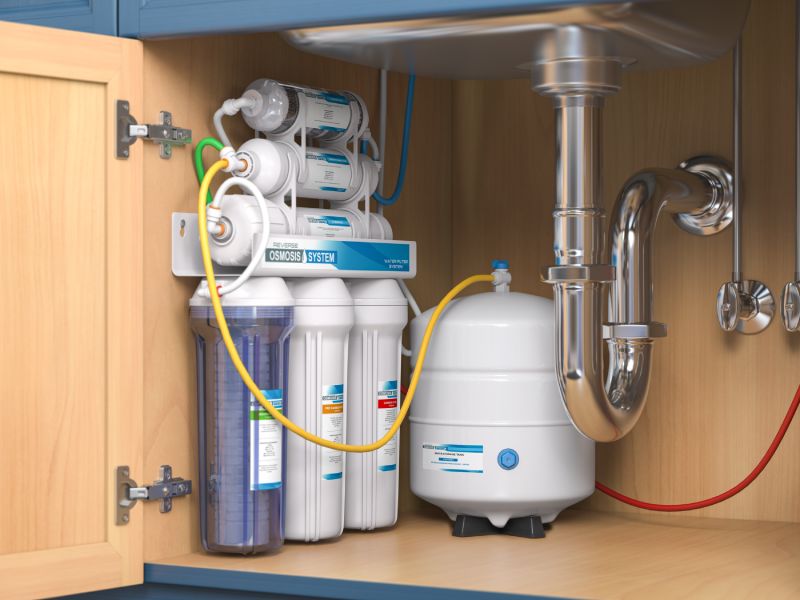
Reduced pressure at fixtures throughout the home is one of the direct signals that a cartridge in the whole-home filtration system is clogged or saturated. Water working against a restricted filter has to push harder through the system, which shows up as lower flow at downstream taps. If pressure dropped gradually rather than suddenly and affects the whole house rather than a single fixture, a saturated filter is a reasonable place to start looking.
Other changes at the tap can signal different issues. Returning sediment, cloudy water, or a shift in taste or odor after a period of good water quality all suggest the filter media is no longer doing its job. Filtration media has a capacity limit, and summer’s heavier use can move a system past that limit well ahead of the replacement date it was given in cooler, lower-demand months.
Why High-Use Summer Months Are Harder on Treatment Equipment
The systems most likely to fall behind in summer are those sized for normal demand rather than peak demand. That covers a large share of residential water treatment equipment, because many systems are installed based on average household usage, with an annual service schedule built around that average.
When irrigation adds several hundred extra gallons per day to a home’s water use, or when a household increases the number of daily showers, the math changes. A system that was adequately sized for October’s usage may fall short by the end of June. That doesn’t mean the equipment is broken. It simply means the equipment is being outpaced. The resulting symptoms look like a failing system, but the real answer is a capacity review and a schedule adjustment.
What To Check Before Calling for Service
Two things are worth looking at before scheduling a service visit. For water softeners, check the salt level and the condition of the brine tank. If salt is running low or a salt bridge forms in the tank, the softener cannot regenerate properly, regardless of demand. Check whether the current regeneration schedule still reflects the household’s actual water use this summer, since many systems are programmed based on demand at the time of installation.
For filtration systems, find the cartridge replacement date or service interval and compare it against actual use. A filter sized for a household’s winter consumption may have reached its effective limit months ahead of schedule during summer. If that date has passed or is close, replacement is the more appropriate next step rather than waiting for symptoms to worsen.
Get Your Water Treatment System Assessed Before Summer Ends

A treatment system that is visibly falling behind will not self-correct as summer continues. Harder water, returning sediment, and rising salt consumption are warning signs that your system isn’t keeping up, and simply waiting it out means more wear on the equipment and more time living with water that your treatment system should be handling.
Tri-County Pump Service Inc has been family-owned and operated since 1991, helping homeowners across Maryland, Virginia, and West Virginia get the most out of their water treatment equipment. Contact Tri-County Pumps today to have your water treatment system assessed and keep it performing reliably through the rest of the season and for years to come.