Mar 16, 2026 · 6 min read· Summarize in ChatGPT
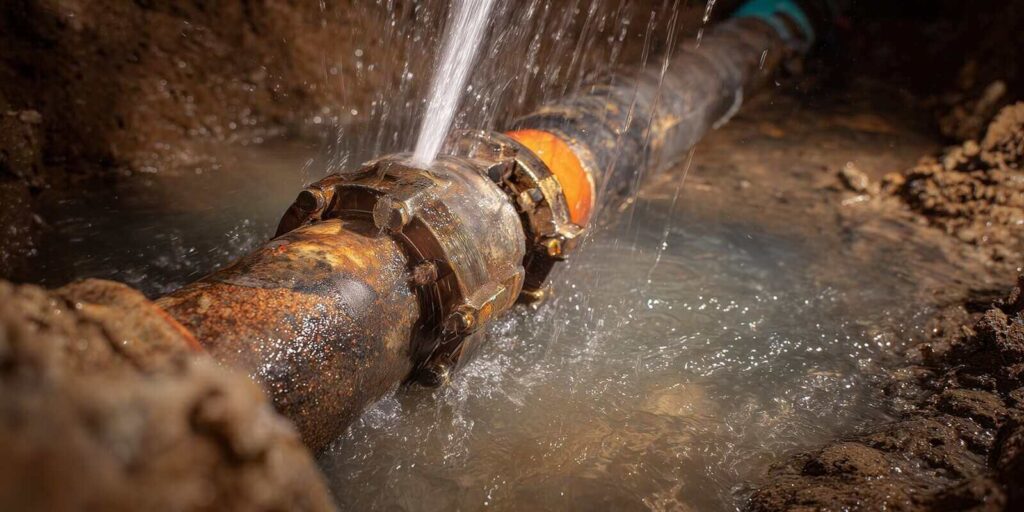
Subtle changes in your yard often provide the first warning that something is wrong underground. Unexplained soggy patches, unusually green grass, sinking soil, or a sudden drop in water pressure can all point to plumbing issues below the surface that require prompt attention.
When a property depends on a private well and septic system, underground plumbing repairs tend to spread beyond the location of the issue. A simple dig can impact buried water lines, drainfields, or equipment that supports your entire home’s water cycle.
Preparation can be the difference between a smooth repair and costly setbacks. From understanding what 811 does and does not mark to protecting your well, septic tank, and treatment equipment before excavation begins, there are specific steps every property owner should take.
| In This Guide: Learn how to prepare for well and septic system repairs, what your plumber should be aware of, and what to plan for once the work is complete. |
Call 811 But Remember: Private Well & Septic Lines Are Not Marked
Every underground plumbing repair in Maryland should start with a call to 811 through Miss Utility before any digging begins.
Under state guidance, 811 should be contacted a minimum of two full business days before any excavation or trenching starts. That notice alerts participating utility operators to mark public lines, such as gas, electric, and municipal water.
811 Does Not Mark Private Well & Septic Lines
Here’s what many homeowners don’t realize: 811 does not mark privately owned infrastructure. Service lines that run from your well to the home, electrical feeds to the well pump, septic piping to the tank, and drainfield networks are typically your responsibility.
The contractor must submit their own locate ticket under their company name since they cannot work under a homeowner’s ticket. This protects you and places accountability where it belongs.
Miss Utility transmits requests to member utilities; it does not send someone out to mark your private water or septic lines.
Create a Simple Property Map Before Excavation Begins
Before your contractor digs, take time to sketch what you know about your property’s underground layout. Include:
- Wellhead location
- Approximate path of the water service line into the house
- Septic tank location
- Drainfield boundaries
- Any previous repair areas
Past inspection reports, as-built drawings, and pump service records can help. To accurately identify buried wells and septic lines, you may need a professional private utility locating service, as that extra step can prevent damaged pipes, electrical hazards, and costly rework.
Action Step: 811 should be used as the first protective step; your private mapping effort will be the follow-up layer that fills the gaps.
Respect Maryland Setback Distances When Planning The Work Zone and Equipment Staging
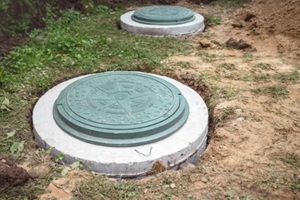
For well-and-septic properties, underground repairs often reach beyond a single pipe and affect the broader system.
Maryland regulations outline minimum separation distances between wells and potential contamination sources. Even if you are not installing a new system, those numbers serve as practical guardrails when planning excavation and equipment placement.
In general:
- For wells in unconfined aquifers, the required separation is at least 100 feet from contamination sources and from designated subsurface sewage disposal areas.
- Conventional septic systems must be at least 100 feet from a water well in unconfined aquifers
- Shorter distances may apply in confined aquifers, often 50 feet
Action Step: Your contractor should be aware of these requirements. Homeowners can help by identifying protected areas ahead of time.
Treat The Drainfield As a No-Load Zone
Drainfields are another area to be protected in advance of repairs. These drainfields are designed to disperse and treat wastewater through soil; heavy equipment moving or parked on top of that area can compact soil and damage distribution pipes. Stockpiled excavated soil can also restrict oxygen flow that supports proper wastewater treatment.
Action Step: Mark the drainfield boundaries clearly before work begins, and ask that staging areas, dumpsters, and machinery remain outside that footprint.
Understand Burial Depth, Repair Methods, and What To Expect in Your Yard
Homeowners often assume deeper pipe burial solves every problem. Residential plumbing codes are more precise.
Water service pipes are required to be installed at least 12 inches below grade and at least 6 inches below the frost line for proper protection. Local enforcement follows the adopted International Residential Code with Maryland-specific requirements.
During planning, discuss frost depth, routing, and protection strategies. A simple patch may address an immediate leak, yet a rerouted line at proper depth can reduce future freeze risk.
The chosen repair method also affects how you prepare your property:
| Repair Method | What It Involves | What Homeowners Should Prepare For |
| Open-Cut Trenching | Continuous trench along pipe path | Larger soil disturbance, lawn restoration planning |
| Pipe Bursting | Replaces pipe by pulling new line through old | Entry and exit pits, limited surface disruption |
| CIPP Lining | Installs cured-in-place liner inside existing pipe | Access through cleanouts, interior access may be required |
Action Step: Ask your plumbing professional how long you should expect to be without water. Make preparations with alternative water sources for drinking and other uses.
Plan For Well Disinfection and Water Treatment Protection Before The First Pipe is Opened
Maryland regulations require disinfection whenever work is performed on a well after its initial construction. That includes repairs to drop pipes, pumps, or well caps.
The state outlines specific procedures that must be followed, including a target chlorine concentration of at least 100 mg/L and a minimum 12-hour contact time before flushing.
Preparation matters here, as chlorinated flush water cannot be discharged into an on-site septic system or directly into surface waters. Dumping shock chlorination water into your septic tank can upset the biological balance that allows it to function properly.
Action Step: Talk with your plumbing professional about where flush water will be directed. Outdoor discharge areas must be selected carefully to avoid runoff issues or vegetation damage.
Get The Repair Done Right with a Team That Knows Wells, Septic, and Plumbing
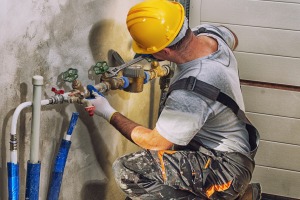
Underground plumbing repairs can affect your water line, drainfield, and water quality, especially on well-and-septic properties. A little planning helps avoid damaged lines, septic trouble, and repeat digging.
Since 1991, Tri-County Pump Service, Inc. has served customers across Maryland, Virginia, and West Virginia. As a family-owned team, we bring decades of hands-on experience across well pumps, septic systems, plumbing, and water treatment, and we’ll explain what’s happening in clear, practical terms.
Book service online, call (301) 882-2698, or use our online contact form to connect with our team so we can help you KEEPITFLOWING®.