
Jun 15, 2026 · 6 min read· Summarize in ChatGPT
| In This Article: Get a homeowner-friendly breakdown of the most common hidden leak warning signs and the smart next steps to take before repair costs climb higher. |
Nothing ruins a quiet morning like opening a water bill that suddenly jumps far beyond your normal monthly cost. Water leak detection starts with noticing small clues, such as strange running-water sounds and damp spots. For those on a well system it may be a well pump cycling at odd times.
Hidden leaks can waste water for weeks before obvious damage appears, so catching the warning signs early can save time, money, and stress.
The Ghost in the Pipes: Why Small Leaks Are Big Business
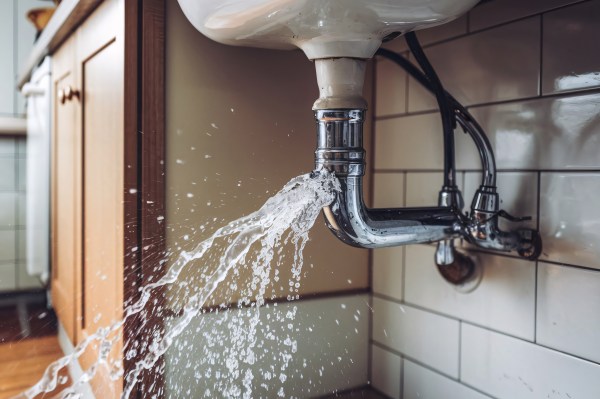
A tiny plumbing leak may not seem serious at first glance, yet even a slow drip can waste thousands of gallons of water each year. Many homeowners across Maryland, Virginia, and West Virginia first notice a problem after receiving an unusually high utility bill or hearing water moving through pipes late at night.
Water leak detection has become a core part of smart home maintenance in 2026. Older plumbing connections, worn toilet flappers, cracked irrigation lines, and aging appliance hoses can quietly waste water day after day. Families with private wells may notice added strain on their pump systems long before they spot visible damage.
At Tri-County Pumps, we’ve spent decades helping local homeowners track down leaks hiding behind walls, beneath slabs, and inside crawlspaces. Experience matters when the signs are subtle.
Step 1: The Water Meter Test (the Ultimate Proof)
Before opening drywall or pulling apart cabinets, confirm that water is actually moving through the system when nobody is using it. Learning how to read a water meter for leaks gives homeowners a reliable starting point.
Turn off every faucet, shower, washing machine, dishwasher, ice maker, irrigation zone, and outdoor spigot. Homes with water treatment equipment should pause any active cycles before beginning the test.
Next, locate the water meter near the curb or basement wall. Most meters contain a small leak indicator shaped as a triangle, star, or dial, while digital meters may show a flow icon or changing numbers.
Wait roughly 30 minutes without using any water in the house. When the meter keeps registering water use even after all faucets and appliances are off, a pipe or fixture is likely leaking out of sight. Slow leaks may require a longer wait period for stronger confirmation.
Step 2: The Porcelain Pickpocket (the Toilet Dye Test)
Toilets remain among the most common sources of hidden residential water waste. A worn flapper can quietly leak water into the bowl all day without making much noise.
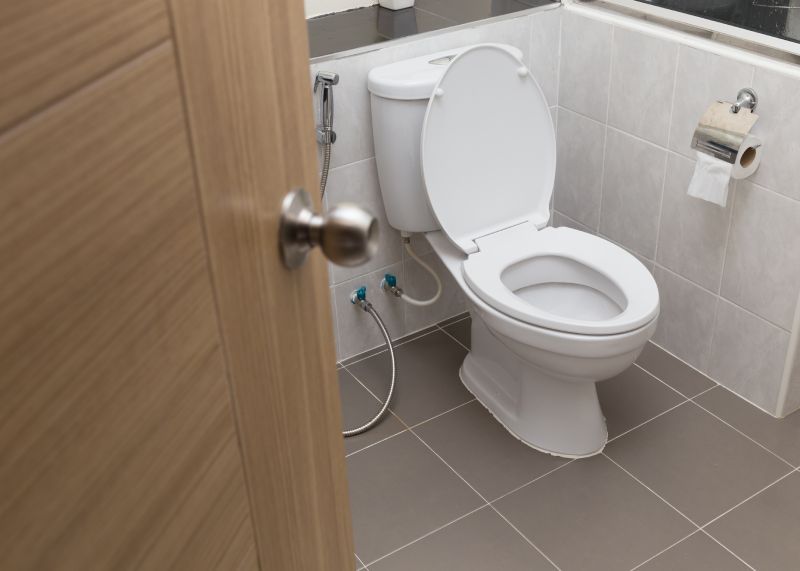
In only a few minutes, a simple dye test can help show whether water is leaking from the toilet tank into the bowl.
Put a small amount of food coloring into the toilet tank after removing the lid, then wait before using the handle again. Avoid adding dye directly into the bowl.
Let the toilet sit untouched for 15 to 20 minutes. Colored water appearing in the bowl signals a leaking flapper or faulty seal.
What seems like a minor trickle inside the toilet can waste far more water over a month than most people would ever expect. A simple flapper replacement is often inexpensive and may help lower a painfully high utility bill.
Step 3: Scrutinize the Usual Suspects
Small leaks and early plumbing concerns can be easy to overlook, even when the first signs are right in front of you.
Faucets and Showerheads
Check faucets and showerheads for worn washers, loose fittings, or dripping connections. Even a slow drip adds up over time and contributes to unexplained high water bills that require professional help.
Under-Sink Cabinets
Grab a flashlight and inspect cabinets beneath sinks. Swollen wood, peeling laminate, musty smells, mineral buildup, or damp cabinet floors usually point toward a slow plumbing leak.
Appliance Hoses
Check the wall and floor areas behind appliances that use water, especially washers, dishwashers, and refrigerators connected to the water supply. Any bulges in braided hoses, corrosion near fittings, or moisture around valves deserve immediate attention.
Step 4: Reading the Walls, Floors, and Slabs
Even when a leak isn’t immediately visible, it can leave clues such as stains, warped surfaces, peeling paint, or musty odors.
The Warm Spot
Homes built on slab foundations may sometimes experience leaks from underground hot-water lines. Warm areas on tile, hardwood, or concrete floors are common symptoms of a slab leak that should never be ignored.
Discolored Drywall
Yellow stains, bubbling paint, warped trim, or brown ceiling rings usually signal trapped moisture behind walls or above ceilings.
The Musty Odor

Persistent damp smells in basements, laundry rooms, or crawlspaces often indicate that there’s hidden moisture nearby. Dry weather combined with a constant musty odor usually means water is collecting somewhere it shouldn’t.
Step 5: Outdoor and Irrigation Checks
Outdoor plumbing leaks are not always easy to spot, yet they can waste significant water before visible signs appear.
The Spigot Test
Attach a garden hose to the outdoor spigot and turn the water on. Water leaking around the handle may indicate a loose packing nut or a worn seal.
Irrigation Zones
Soft, marshy areas in the yard during dry weather often indicate an underground water line leak connected to irrigation piping. Cracked sprinkler lines can quietly soak the soil on your property for weeks.
The Well Head
Well-water homeowners should pay attention to pump behavior. A well pump that kicks on when no fixtures are running may indicate a leak in the supply line or pressure system.
When DIY Detection Hits a Dead End
Some leaks hide beneath concrete, behind finished walls, or underground, where visual inspection can’t reach them.
Tri-County Pumps’ plumbing repair services use advanced leak detection equipment like pressure-monitoring tools, to locate hidden plumbing problems.
Knowing where the water is coming from helps, but stopping the damage requires proper plumbing work and a lasting fix. Our experienced technicians provide dependable repairs that support long-term plumbing performance while protecting your home’s value.
Since 1991, our family-owned team has proudly served homeowners throughout Maryland, Virginia, and West Virginia with trusted plumbing, well pump, septic, and water treatment solutions.
Stop the Drip and Save Your Budget
Most plumbing leaks leave clues if you know where to look. Water meters, toilet tanks, appliance hoses, damp drywall, and unusual pump activity often tell the story long before major damage appears.
Still hearing water run or watching your utility bill climb without explanation? We’re here when you need us. At Tri-County Pumps, our team combines decades of hands-on experience with professional water leak detection equipment to locate hidden leaks quickly and repair the problem at its source.
Contact us today to schedule professional leak detection and plumbing repair services that help Keep It Flowing® throughout your home.