
Jan 12, 2026 · 6 min read· Summarize in ChatGPT
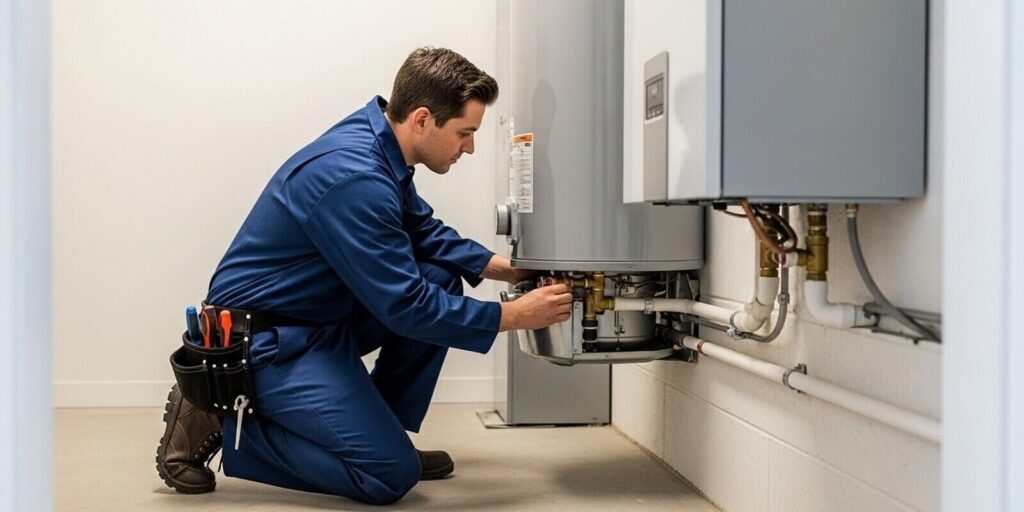
While a water heater quietly operates in the background to keep showers warm and dishes clean, it often goes years without receiving the attention it needs.
For Maryland homeowners, especially those with well water, sediment and mineral buildup can sneak up fast, straining your system, driving up energy use, and cutting into your heater’s lifespan. However, routinely flushing your water heater is an excellent way to extend its lifespan and keep it running the way it should.
| In This Article: Learn how often to flush a water heater in Maryland homes, why maintenance matters for both performance and efficiency, and what signs suggest it’s time for service. You’ll learn how factors such as hard water, sediment, and heater type influence the ideal schedule, along with simple ways to keep your water heating system reliable year-round. |
Why Water Heater Flushing Matters for Maryland Homes
Every water heater in Maryland, whether gas, electric, or tankless, eventually gathers sediment. When water is heated, minerals such as calcium and magnesium become less soluble and form limescale, while sand, silt, and iron settle to the bottom.
That layer of buildup acts like insulation, forcing the burner or elements to work longer to heat water. It also steals space inside the tank, so you end up heating less water than you think. Over time, sediment can make your heater rumble or pop, stress the tank bottom, and even shorten its life.
Since water heating accounts for roughly 13 to 18% of household energy use, the extra work caused by sediment shows up in utility bills. Flushing the tank keeps efficiency closer to factory levels, protecting both performance and longevity.
How Often to Flush a Water Heater Based on Water Type and Usage
There’s no single schedule that fits every home, but there are clear patterns based on water quality and heater design. Manufacturer and expert guidance typically sets annual flushing as a baseline, with harder water requiring more frequent maintenance.
|
Water Type & System |
Recommended Flush Frequency |
Notes |
|
City Water, Standard Tank |
Every 12 months |
Move to 6–9 months if water is hard or heavy use occurs |
|
Private Well Water, Standard Tank |
Every 6 months |
Increase to 3–4 months for very hard or sediment-prone wells |
|
Tankless Water Heater (Any Source) |
Every 6–12 months |
Descale every 6 months for well water or hard municipal supplies |
|
Older Tanks (10+ Years, Never Flushed) |
Professional inspection first |
Sediment may be compacted; flushing could trigger leaks |
Maryland homeowners on private wells, where iron and grit are common, benefit most from a 6-month schedule.
The Maryland Water Factor and Why Local Conditions Accelerate Buildup
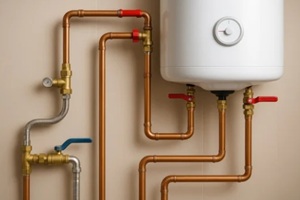
Hardness levels in Maryland’s groundwater often range from “hard” to “very hard,” with calcium carbonate concentrations frequently exceeding 120 mg/L.
That mineral-rich composition means the moment water is heated, scale begins to form along tank bottoms and heating surfaces. The hotter your thermostat setting and the greater your daily usage, the faster scale develops.
Private well owners have an extra challenge, as many wells draw from sand or gravel aquifers, which allow fine sediment and rust to slip through. Even a small amount accumulating over months can coat the tank floor or clog valves.
Since private wells aren’t federally regulated, maintenance of filtration systems and water quality testing falls directly on the homeowner. For those relying on untreated or lightly filtered well water, a semiannual flush is one of the simplest ways to preserve system health.
Recognizing the Warning Signs That Flushing Is Overdue
A water heater in Maryland rarely fails without giving hints first. Popping or rumbling sounds during heating cycles often indicate trapped steam bubbles beneath sediment. Hot water running out faster than before signals a loss of capacity, since the lower part of the tank is filled with sludge rather than water.
Discolored or cloudy hot water suggests corrosion or sediment stirred up during use. If you notice water shifting from warm to cold without warning, it might point to buildup interfering with the controls that manage temperature and blending.
When these symptoms appear, waiting another year is a mistake; prompt flushing or professional inspection prevents damage that can shorten the system’s life.
How Sediment Impacts Efficiency, Energy Costs, and Comfort
Sediment creates an insulating layer that blocks efficient heat transfer, forcing the system to work harder just to warm the water. That means longer recovery times and higher gas or electricity consumption.
The U.S. Energy Information Administration notes that heating water typically ranks as the second-highest energy cost in most homes, which means wasted efficiency quickly becomes expensive during Maryland’s colder months.
As buildup grows, usable tank volume shrinks, and even though your label might say 50 gallons, heavy sediment can leave you with much less hot water. That’s why back-to-back showers or a full load of laundry may no longer stay warm the way they used to.
Routinely clearing out the tank helps preserve its usable capacity and supports the steady comfort performance people rely on day to day.
Professional Flushing and Why Expert Service Makes a Difference
Manufacturer manuals describe how to drain a heater safely, but they also include cautions that homeowners sometimes overlook.
Scalding water, electrical hazards, and hydrogen gas buildup are all risks during improper maintenance. Older tanks can have fragile anode rods or thin steel that leaks when heavy sediment is disturbed.
Professional technicians handle these risks daily. They can inspect the anode rod, pressure-relief valve, and burner assembly while flushing, catching early corrosion or wear before it becomes an expensive problem.
For homeowners relying on well water or those dealing with recurring iron stains or low pressure, partnering with a trusted local provider keeps the entire water system, including the well, treatment, and plumbing, working together smoothly.
Keeping Your Water Heater Performing Its Best in Maryland Homes
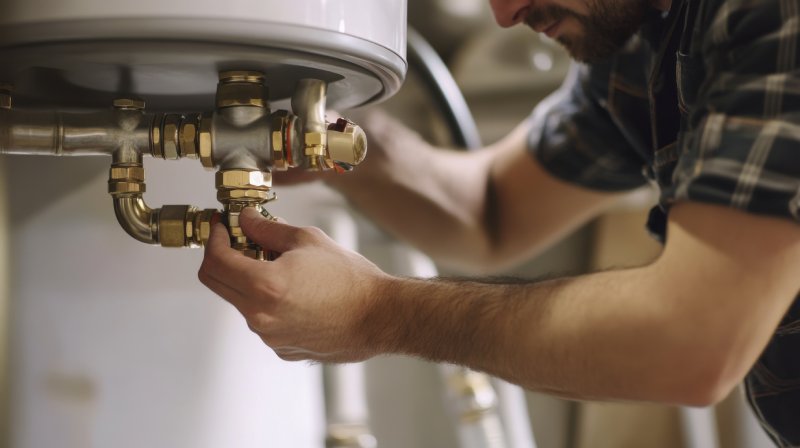
Regular upkeep helps your water heater to operate at peak efficiency, reduces monthly utility costs, and minimizes the chance of unexpected and expensive failures. For many Maryland households, especially those on well water, routine flushing is one of the simplest ways to protect the system that provides everyday comfort.
At Tri-County Pumps, we’ve been helping homeowners throughout Maryland, Virginia, and West Virginia keep their water systems in peak condition since 1991. If your water heater in Maryland is due for maintenance or showing signs of wear, let our technicians handle the job safely and efficiently.
You can book an appointment through our website, call (301) 882-2698, or send a message through our online form whenever you’re ready to begin. We’ll help keep your water heating system running smoothly and your home’s water flowing the way it should.