Nov 17, 2025 · 5 min read· Summarize in ChatGPT
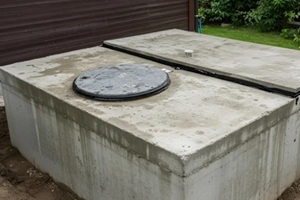
If your septic system could talk, it might ask for just a little attention every now and then. Taking the time for a brief inspection every few years can be the deciding factor between a dependable system and one that fails in a costly, inconvenient way. Routine checks help maintain proper flow and alert you to small inefficiencies that could become major issues if ignored.
The timing of those inspections, though, depends on your setup, how much water your household uses, and even local health regulations. Be it a basic gravity-fed arrangement or a more complex system with pumps and alert mechanisms, keeping up with your well and septic inspection in Maryland is an effective way to protect your property and water supply.
Why Septic Inspections Matter for System and Water Health
A septic inspection does far more than confirm that your tank isn’t full. Every inspection helps protect the long-term function of the system and prevents pollutants from reaching nearby wells, streams, and groundwater.
When solids build up unchecked, they can move into the drainfield and clog the soil, causing wastewater to surface or back up. More importantly, a neglected system can allow pathogens and nitrates to leak into drinking water sources.
The Environmental Protection Agency (EPA) has documented how failing systems contribute to elevated nitrate levels in groundwater, with readings above 10 milligrams per liter of nitrogen exceeding safe drinking water limits.
For homes that rely on private wells, septic health directly connects to water safety. Pairing septic inspections with annual well-water testing for total coliform bacteria and nitrates, as advised by the CDC and EPA, creates a strong foundation for household water protection.
What Inspectors Evaluate During a Visit
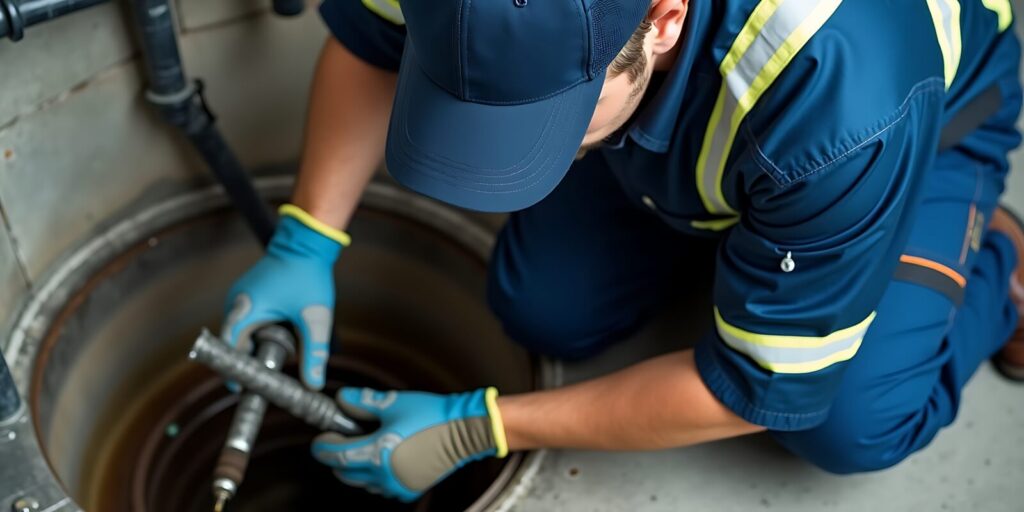
An effective septic inspection goes far beyond a simple pump-out. Inspectors assess the structure and watertightness of the tank, measure the scum and sludge layers, and examine inlet and outlet baffles or tees that help control flow. They also check effluent filters, pumps, and alarms to confirm proper operation, and they walk the drainfield to look for soggy spots or surfacing wastewater that signal hydraulic stress.
When sludge and scum reach about one-third of the tank’s total depth, pumping is recommended. That measurement helps determine timing more accurately than a calendar alone. Inspectors may record readings, document the condition of components, and recommend maintenance intervals based on system type, water use, and local regulations.
How Often to Inspect Based on System Type
Not every septic system follows the same maintenance rhythm. The recommended frequency depends on design, components, and local code requirements:
System Type | Typical Inspection Frequency |
Gravity system (tank and gravity drainfield) | At least every 3 years |
Systems with pumps, alarms, or mechanical parts (pressure distribution, mound, sand filter, aerobic treatment unit) | Every year |
Holding tanks | Every year, often set by local permits |
Shared or community systems | As required by the local O&M program, often every 1–3 years |
When to Schedule Inspections Sooner
Some situations call for more frequent evaluations. Flooding, hurricanes, or extended power outages can damage floats, wiring, and tank seals, and the CDC advises checking systems after these events before resuming normal use.
Real estate transactions often trigger inspection requirements, too. Immediate inspections are also recommended when alarms sound, drains gurgle, unpleasant odors appear, or wastewater surfaces above the drainfield. State health agencies list these signs as indicators of malfunction that require prompt attention.
Factors That Influence Your Inspection Schedule
The “every 1 to 3 years” rule serves as a useful baseline, but some homes need inspections sooner.
Large households or properties with frequent guests use more water, which increases hydraulic load and solid buildup in the tank. Garbage disposals add more solids, and university research suggests avoiding routine disposal use to keep pumping intervals reasonable.
Effluent filters, which help protect the drainfield from solids, should be checked and cleaned periodically. Many extension programs recommend annual cleaning, and even more often in high-use households.
Water treatment systems such as softeners and iron filters can also affect septic performance. Their backwash or regeneration water increases flow and adds salt, so technicians should review discharge routes and confirm settings meet local code during inspections.
Aligning Inspections and Pumping
While inspection and pumping are closely related tasks, each one addresses a different aspect of septic care. Inspections assess the system’s condition, while pumping removes the solids that have accumulated in the tank.
The EPA’s national guidance suggests pumping every three to five years for most homes, but inspections determine whether that schedule needs adjustment. Pumping when solids reach operational limits, rather than waiting for a set number of years, helps prevent drainfield damage and costly repairs.
Many households find it useful to link inspection timing with water testing. When the septic technician visits, scheduling well-water sampling at the same time makes maintenance more convenient and keeps the entire home water system on track.
Annual testing for total coliform bacteria and nitrate is the minimum recommended for private wells. Retesting sooner is wise if results approach drinking water limits or after major weather events that could affect groundwater.
Keep Your System Flowing Smoothly
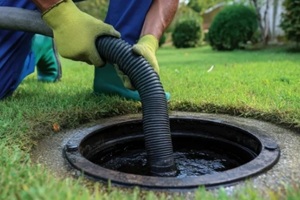
Having a regular well and septic inspection in Maryland is a simple habit that protects your home, your water, and your investment. Scheduling service on a consistent cycle keeps small issues from turning into major repairs and helps protect nearby wells and groundwater from contamination.
Since 1991, Tri-County Pump Service, Inc. has supported homeowners and commercial clients throughout Maryland, Virginia, and West Virginia. As a family-owned business, our pride lies in combining trustworthy service with education that empowers you to make sound decisions about your water system’s condition.
If it’s time for your next septic inspection, we’re ready to help. Schedule service through our website, call us at (301) 882-2776, or use our online contact form to get started.