Sep 17, 2026 · 5 min read· Summarize in ChatGPT
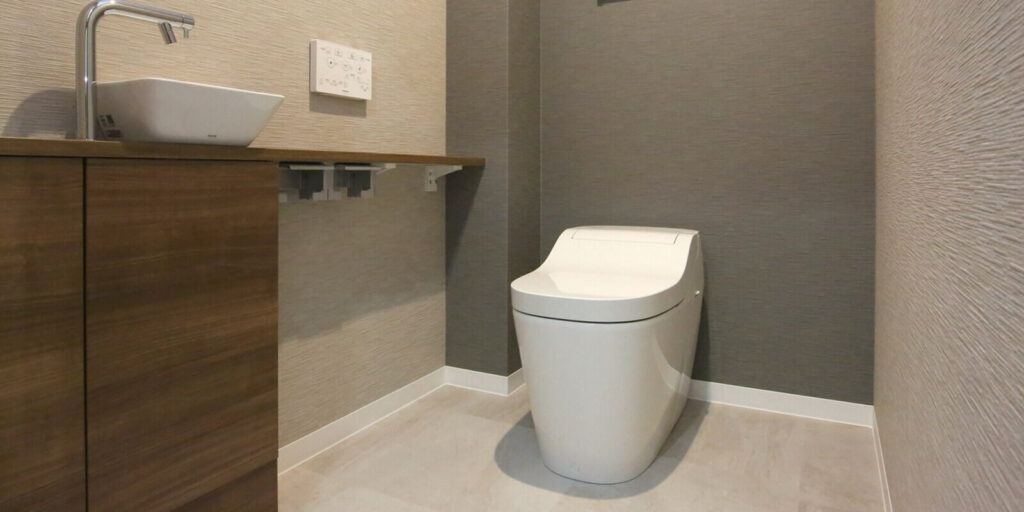
You’re walking past the bathroom late at night and hear the toilet refill on its own. It’s just a few seconds of water running and seems minor. But if your home runs on a private well, it might be making your well pump work harder than it should be.
Every time your toilet cycles, it’s pulling water from the well system’s pressure tank. Over weeks and months, those extra pump starts can lead to an early need for well pump repair. Because the leak is quiet and the pump is out of sight, many homeowners across Maryland, Virginia, and West Virginia don’t connect the two until the pump itself starts showing signs of trouble.
What a Small Leak Looks Like to the System
A worn toilet flapper or a fill valve that doesn’t seat properly lets water pass continuously from the toilet tank into the bowl. On municipal water, the main effect is a higher water bill. On a well system, the effect is mechanical.
Each time the toilet leak pulls enough water from the pressure tank, the pressure switch signals the pump to start. The pump runs until the tank is back up to pressure and shuts off. After the leak draws the pressure back down, the pump starts again and runs until the pressure builds back up. At night, with no other fixtures running, that cycle can repeat every few minutes without anyone in the house noticing.
How Short Cycling Can Lead to Well Pump Repair
A well pump motor draws several times more electrical current at startup than it does while running. That inrush generates a heat spike, which the motor needs to shed before the next cycle begins. When a toilet leak forces the pump to start dozens of extra times per day, the heat can build up faster than the motor is designed to handle. Over months, that process can shorten the motor’s life.
Frequent cycling can also wear the pressure switch prematurely. Its contacts arc each time they snap open and closed, which is fine at normal cycling rates. At the rate a constantly running toilet can demand, those contacts may fail well ahead of schedule.
A waterlogged pressure tank (a tank with an air bladder that has lost its pressurizing charge) makes the problem worse. When the tank’s bladder loses the air cushion that maintains pressure between cycles, the pump kicks on more frequently just to maintain pressure, even without a leak.
Combine a waterlogged tank with a running toilet, and the pump may be cycling on and off almost continuously, turning what could have been years of remaining service life into a much earlier replacement.
Sounds Worth Noticing
The most telling sound to listen for is a toilet that refills briefly on its own, sometimes called a “phantom flush.” You may hear a few seconds of water moving through the bowl, followed by silence, then the same thing 10 or 15 minutes later. The pattern of phantom flushing is worth mentioning to a service technician.
Another sign to look for is the pump or pressure switch clicking on when no one in the house is using water. If you can hear the pump engage from the basement or utility room, pay attention to how often it happens during a quiet stretch. A pump that starts multiple times an hour with no fixtures open is likely responding to a small, continuous demand somewhere in the system, and the toilet is the most common source.
What It Costs Beyond the Water
A single running toilet can waste as much as 200 gallons of water per day. On a well, that volume doesn’t show up on a water bill, so the waste tends to go unnoticed for longer. However, the cost shows up in equipment wear. Continuous cycling shortens the working life of the pump motor, pressure switch, and pressure tank. Replacing all three is a significantly larger job than replacing a toilet flapper.
For homes on septic systems, that extra volume also passes through the septic tank and out to the drainfield. Excess water can push solids through the tank before they’ve fully broken down, and over time that can reduce the drainfield’s ability to absorb effluent. A toilet leak running for an entire season can send thousands of extra gallons through a system that was sized for normal household use.
Other Fixtures Worth Checking
A running toilet is the most common cause of well pump short cycling, but it’s not the only one. An outdoor spigot left slightly open, a dripping hose connection, or a slow leak at a supply line fitting can create enough continuous demand to keep the pump cycling between uses.
A failing pressure tank bladder can also produce the same symptoms without any leak present. If the bladder has ruptured or the air charge is low, the tank loses the air cushion that maintains pressure between cycles, and the pump may kick on with almost any draw on the system. A technician can check the tank’s air pressure in a few minutes to rule that out.
Water treatment equipment stuck in its cleaning cycle can also run the pump longer than expected. If the cycling started suddenly, consider checking whether a softener or filter system is cycling at the same time.
Getting the System Checked
Because several different components can produce similar symptoms, the fastest path to a fix is having a technician diagnose the full system rather than guessing at individual parts. A technician from Tri-County Pump Service, Inc. can confirm whether a toilet leak, a waterlogged pressure tank, a worn pressure switch, or a combination of factors is causing the cycling.
If your pump has been cycling more than it should, or you’ve noticed a toilet refilling on its own between flushes, Tri-County Pump Service, Inc. can find out why. Our technicians service the full system, so we evaluate everything together. Call Tri-County Pumps at (301) 882-2776 to schedule a visit, or contact us online. Let’s Keep It Flowing®.